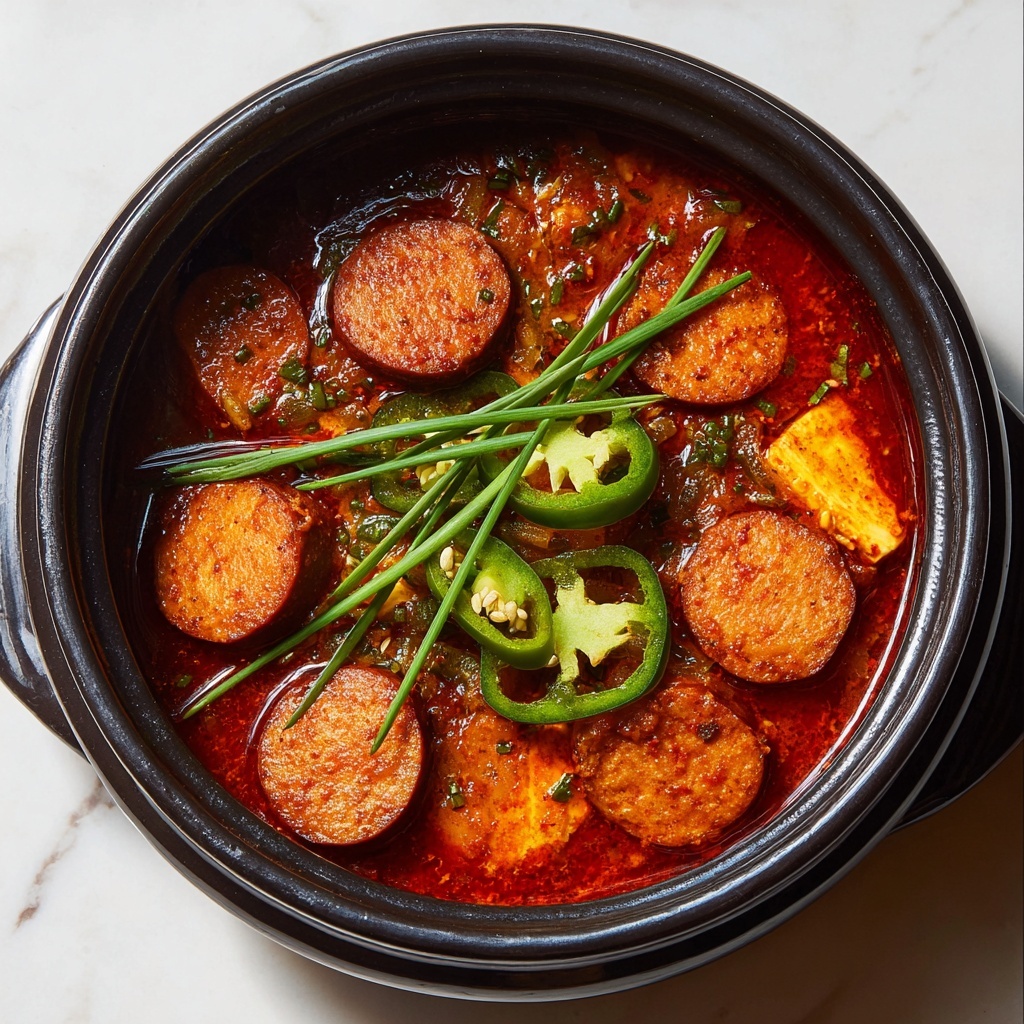
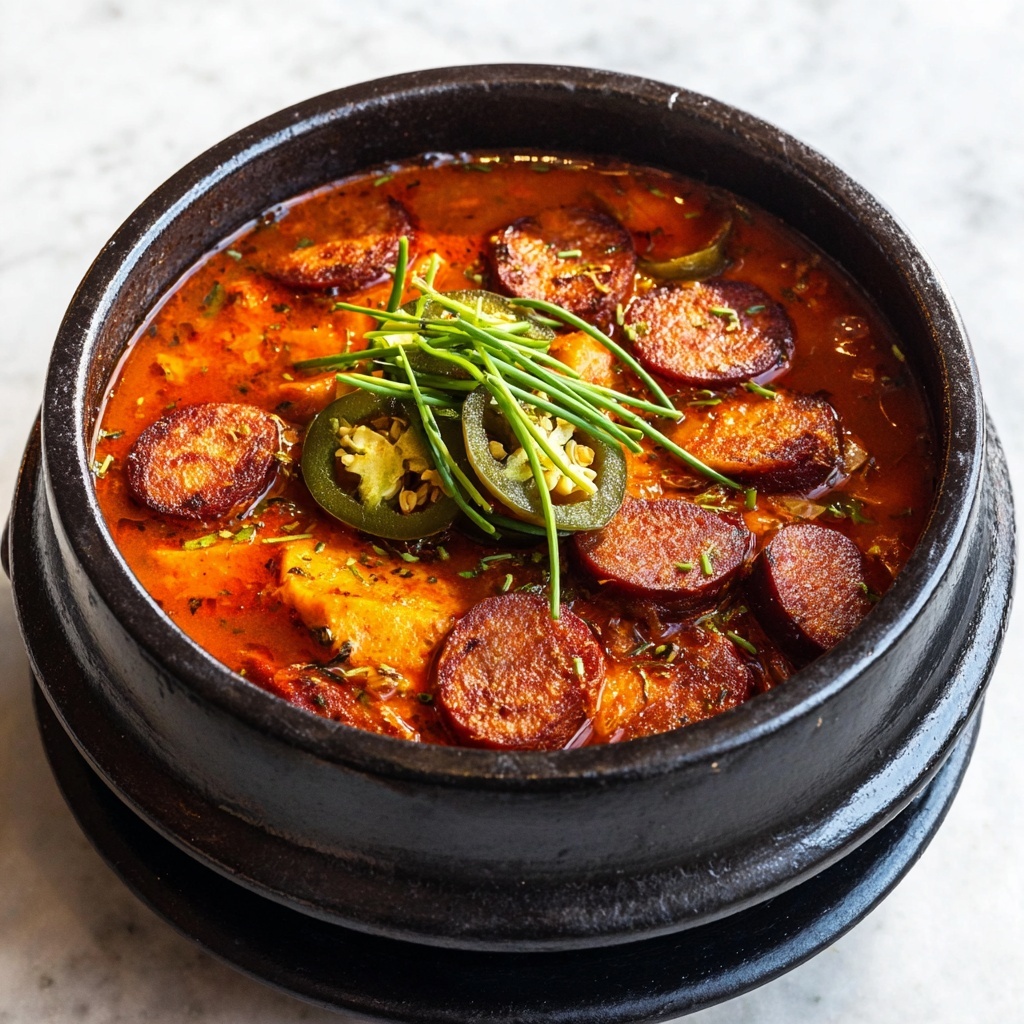
If you’re searching for a truly comforting Korean stew that feels like a warm hug from the past, you’ll absolutely adore Grandpa’s Jjigae Recipe. This hearty, soulful dish combines tender pork belly, vibrant kimchi, and homely vegetables in a spicy, savory broth that’s layered with nostalgic flavors. Each spoonful tells a story—its rich aroma and bold taste make it a timeless family favorite you’ll want to make again and again, whether on a chilly evening or when you need a little extra coziness in your kitchen.
Ingredients You’ll Need
The beauty of Grandpa’s Jjigae Recipe lies in its simplicity balanced by the depth each ingredient brings. From the luscious pork belly that infuses the stew with richness, to the firm tofu adding gentle creaminess, and the zingy kimchi giving it that authentic Korean tang, every component works together to create a harmonious stew that’s as delicious as it is satisfying.
- Pork belly, 8 ounces sliced into bite-size pieces: Offers a rich, fatty flavor that melts into the broth for a velvety texture.
- Firm tofu, 1 cup cubed: Adds softness and absorbs the spicy broth beautifully without falling apart.
- Yellow onion, 1/2 sliced: Imparts subtle sweetness that balances the stew’s boldness.
- Zucchini, 1 small sliced: Brings a tender crunch and fresh green color.
- Potatoes, 2 small diced: Provide hearty body and a comforting creaminess after softening in the broth.
- Kimchi, 1 cup chopped with some juice: The star ingredient that adds vibrant tang and umami depth.
- Garlic, 4 cloves minced: Offers a robust aromatic punch that wakes up the flavors.
- Gochugaru, 1 tablespoon: Korean chili flakes that give a smoky heat without overpowering.
- Gochujang, 1 tablespoon: A sweet and spicy chili paste that enriches the broth’s complexity.
- Soy sauce, 1 tablespoon: Adds a salty, umami backbone to the stew.
- Sesame oil, 1 teaspoon: Enhances with a nutty fragrance right before simmering.
- Anchovy stock or water, 3 cups: The liquid base that carries all the flavors together; anchovy stock gives extra depth.
- Green onions, 2 sliced: For a fresh, crisp finishing touch.
- Salt, 1/2 teaspoon: Balances the flavors perfectly.
- Black pepper, 1/4 teaspoon: Adds just the right amount of subtle warmth and spice.
How to Make Grandpa’s Jjigae Recipe
Step 1: Brown the Pork Belly
Start by heating a medium pot over medium heat and adding the pork belly slices. Allow them to cook until they release some fat and start to brown beautifully. This step is crucial as it forms the flavorful foundation of the jjigae, with the rendered pork fat enriching the stew’s body.
Step 2: Sauté Garlic and Onion
Next, add the minced garlic and sliced yellow onion to the pot. Stir and cook for about two minutes until they soften and become fragrant. This gentle sweat brings out their sweetness and mellows the garlic’s pungency, building layers of flavor.
Step 3: Stir in Kimchi and Seasonings
Add the chopped kimchi along with its juice, gochugaru, gochujang, soy sauce, and a splash of sesame oil. Cook everything together for another minute. This step lets the spicy, tangy notes deepen and marry with the pork, creating that unmistakable jjigae aroma.
Step 4: Simmer with Stock and Potatoes
Pour in the anchovy stock or water and bring the pot to a gentle boil. Add the diced potatoes and cook for 10 minutes so they absorb those delicious spicy flavors while softening to the perfect fork-tender texture.
Step 5: Add Zucchini and Tofu
Introduce the sliced zucchini and cubed tofu, then continue simmering for another 8 to 10 minutes. This allows the zucchini to become tender and the tofu to soak in the rich, spicy broth, while keeping its firmness intact.
Step 6: Final Seasoning and Green Onions
Give the stew a taste and season with salt and black pepper as needed. Finally, sprinkle the sliced green onions on top for a fresh, colorful finish before serving.
How to Serve Grandpa’s Jjigae Recipe
Garnishes
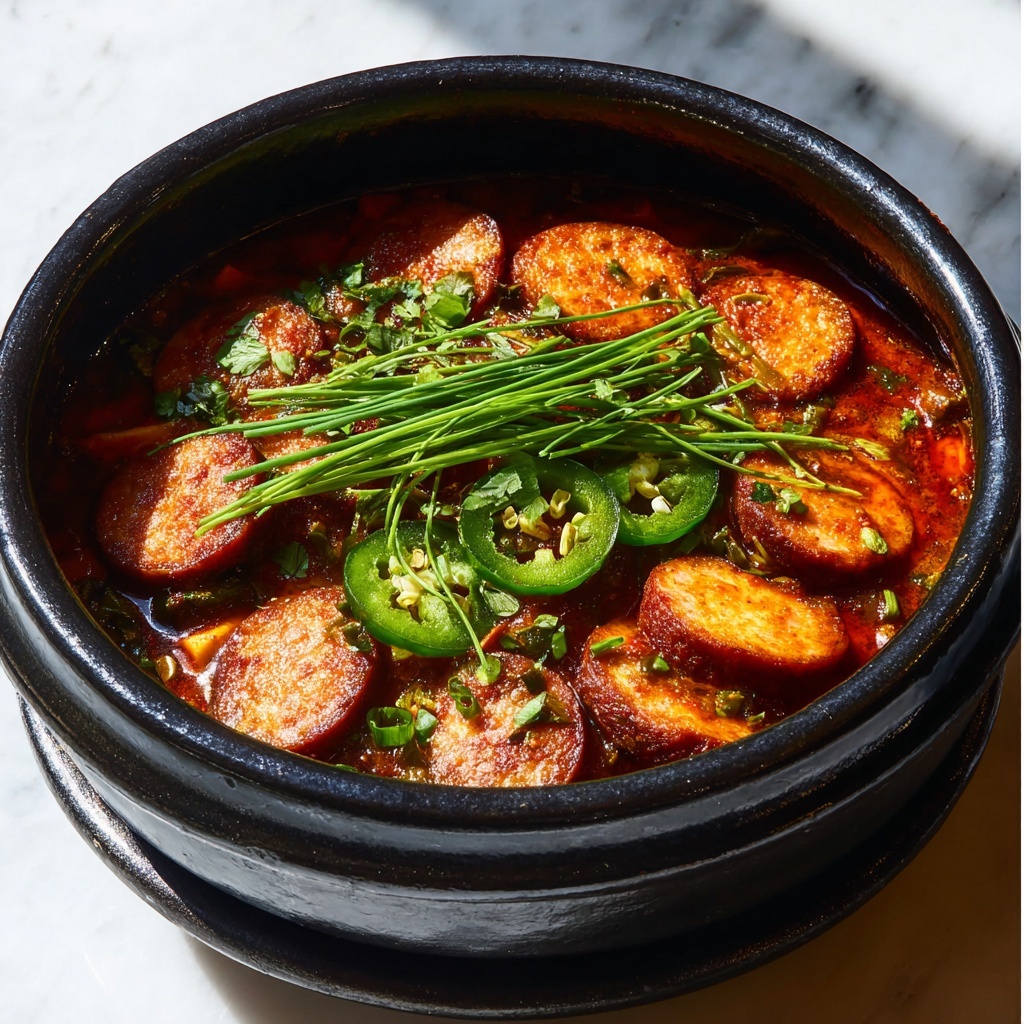
Simple garnishes make all the difference. Adding fresh green onions brightens the stew’s presentation and adds a light crunch. A drizzle of toasted sesame oil or a sprinkle of extra gochugaru can elevate the heat and aroma just before serving, making each bowl feel special and inviting.
Side Dishes
Traditionally, Grandpa’s Jjigae Recipe pairs beautifully with steaming hot white rice, which balances the stew’s spicy and rich flavors. Complement the meal with extra kimchi or pickled vegetables for refreshing acidity, and perhaps some lightly sautéed greens for added color and crunch. These sides round out the meal perfectly.
Creative Ways to Present
Try serving the jjigae in rustic stone bowls to keep it piping hot throughout the meal, just like in Korean homes. For gatherings, place the pot in the center of the table for a communal, heartwarming experience. You can even add a raw egg to the hot stew for an indulgent, silky touch that’s utterly delightful.
Make Ahead and Storage
Storing Leftovers
Grandpa’s Jjigae Recipe tastes even better the next day as the flavors continue to meld. Store leftovers in an airtight container in the refrigerator for up to 3 days. Make sure to cool the stew completely before refrigerating to maintain the best texture.
Freezing
You can freeze the jjigae for up to a month by placing it in a freezer-safe container. Keep in mind the tofu’s texture may soften on thawing, but it remains delicious. Freeze in portions convenient for singles or family meals.
Reheating
Reheat gently on the stovetop over low-medium heat, stirring occasionally until warmed through. Avoid boiling vigorously as it can break down tofu and affect texture. Add a splash of water or stock if the stew has thickened too much during storage.
FAQs
Can I use a different protein instead of pork belly?
Absolutely! While pork belly adds richness, you can swap it with beef, chicken, or even mushrooms for a vegetarian twist. Adjust cooking times accordingly to ensure tenderness and flavor absorption.
Is anchovy stock necessary for the broth?
Anchovy stock adds a distinctive umami depth typical in Korean jjigae, but if you don’t have it, plain water or vegetable broth works fine too. The stew will still be delicious but slightly less complex.
How spicy is Grandpa’s Jjigae Recipe?
This recipe has a pleasant medium heat that can be easily adjusted. Add more gochugaru or a spoonful of chili crisp if you prefer it spicier; reduce gochujang to tone it down.
Can I make this recipe vegan?
With a few swaps like using vegetable broth instead of anchovy stock and omitting pork belly, you can definitely create a vegan version. Replace pork with mushrooms or tofu, and the kimchi should be checked for fish sauce to ensure it’s vegan.
What’s the best kimchi to use for this stew?
Using well-fermented kimchi truly lifts the flavor profile, giving the stew its signature tang and complexity. Younger kimchi will work but the depth of taste will be milder.
Final Thoughts
There’s something so special about Grandpa’s Jjigae Recipe—it’s like carrying a piece of family tradition right into your kitchen. This stew’s rich, bold layers are easy to master and promise comfort in every bowl. Whether you’re a seasoned Korean food lover or just starting your jjigae journey, I hope you give this beautiful recipe a try and make it your own treasured go-to dish.
Print
Grandpa’s Jjigae Recipe
- Prep Time: 10 minutes
- Cook Time: 25 minutes
- Total Time: 35 minutes
- Yield: 4 servings
- Category: Main Course
- Method: Stovetop
- Cuisine: Korean
- Diet: High-Protein
Description
Grandpa’s Jjigae is a hearty and flavorful Korean kimchi stew featuring tender pork belly, tofu, and a medley of vegetables simmered in a savory and slightly spicy broth made with anchovy stock, gochugaru, and gochujang. This comforting dish highlights the deep umami flavors of fermented kimchi combined with the richness of pork belly, perfect for a warming meal served alongside steamed rice.
Ingredients
Meat and Protein
- 8 ounces pork belly, sliced into bite-size pieces
- 1 cup firm tofu, cubed
Vegetables
- 1/2 yellow onion, sliced
- 1 small zucchini, sliced
- 2 small potatoes, diced
- 2 sliced green onions
Condiments and Seasonings
- 1 cup kimchi, chopped with some juice
- 4 cloves garlic, minced
- 1 tablespoon gochugaru (Korean red chili flakes)
- 1 tablespoon gochujang (Korean chili paste)
- 1 tablespoon soy sauce
- 1 teaspoon sesame oil
- 1/2 teaspoon salt
- 1/4 teaspoon black pepper
Liquids
- 3 cups anchovy stock or water
Instructions
- Cook Pork Belly: Heat a medium pot over medium heat and add the pork belly. Cook until the pork renders fat and begins to brown, developing a rich base flavor for the stew.
- Sauté Aromatics: Add the minced garlic and sliced onion to the pot. Cook together for about 2 minutes until fragrant and slightly translucent.
- Add Seasonings and Kimchi: Stir in the chopped kimchi with its juice, gochugaru, gochujang, soy sauce, and sesame oil. Cook for an additional minute to deepen the flavor profile.
- Simmer Broth and Potatoes: Pour in the anchovy stock or water and bring the stew to a gentle boil. Add the diced potatoes and cook for 10 minutes, allowing them to soften and absorb flavors.
- Add Zucchini and Tofu: Add the sliced zucchini and cubed tofu into the pot. Continue simmering for 8 to 10 minutes until the vegetables are tender and the broth is rich and flavorful.
- Season and Garnish: Taste and season the jjigae with salt and black pepper to your liking. Sprinkle sliced green onions on top before serving for a fresh finish.
Notes
- Use well-fermented kimchi to achieve the most authentic and robust flavor in the stew.
- If you prefer a spicier jjigae, increase the gochugaru or add a spoonful of chili crisp for extra heat.
- Serve the stew hot with steamed rice and additional kimchi on the side for a complete Korean meal experience.