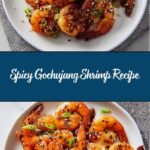
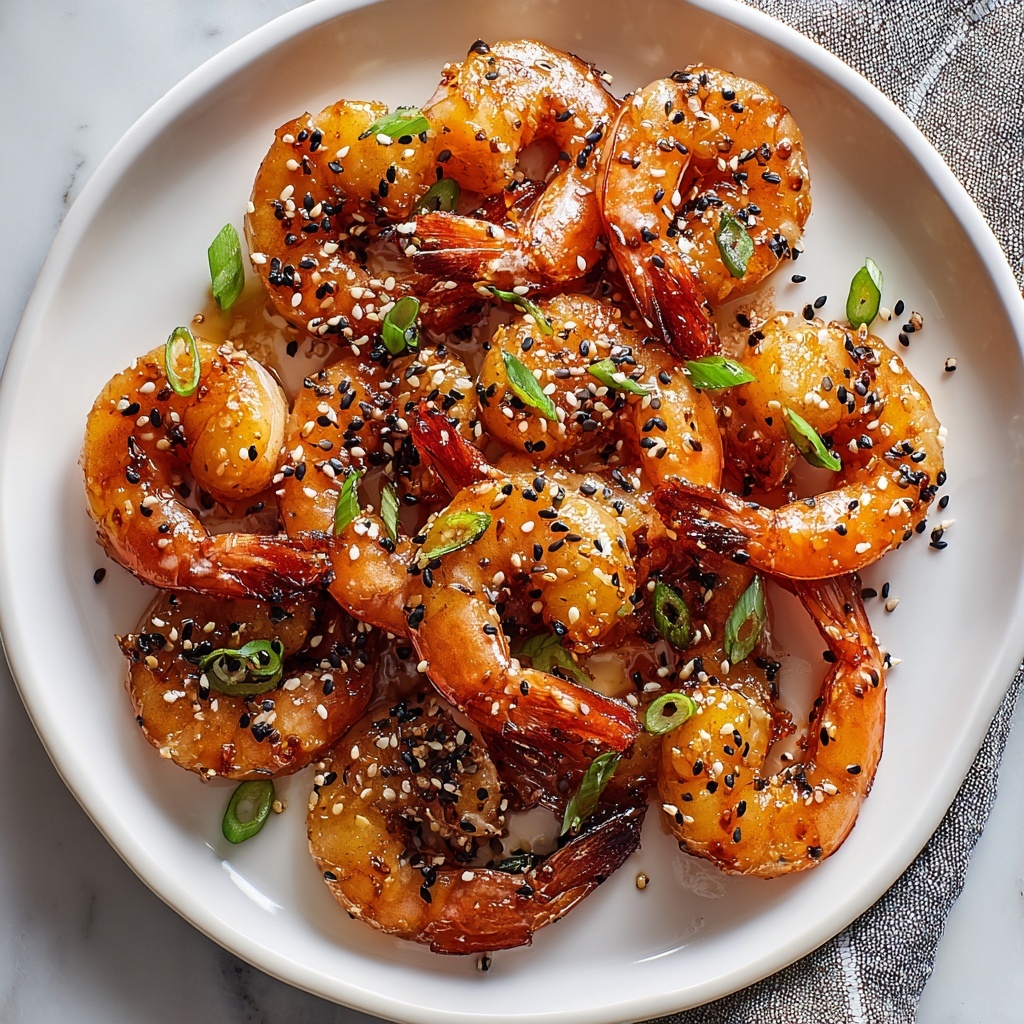
If you’re craving a dish that packs a punch of flavor with delightful heat and a hint of sweetness, this Spicy Gochujang Shrimp Recipe is exactly what you need. It’s a vibrant, quick-cooking meal that marries the bold, fermented chile paste known as gochujang with tender shrimp, fresh lime, and a lovely balance of savory and sweet. Whether you’re cooking for a busy weeknight dinner or impressing friends over the weekend, this recipe delivers a satisfying experience all around.
Ingredients You’ll Need
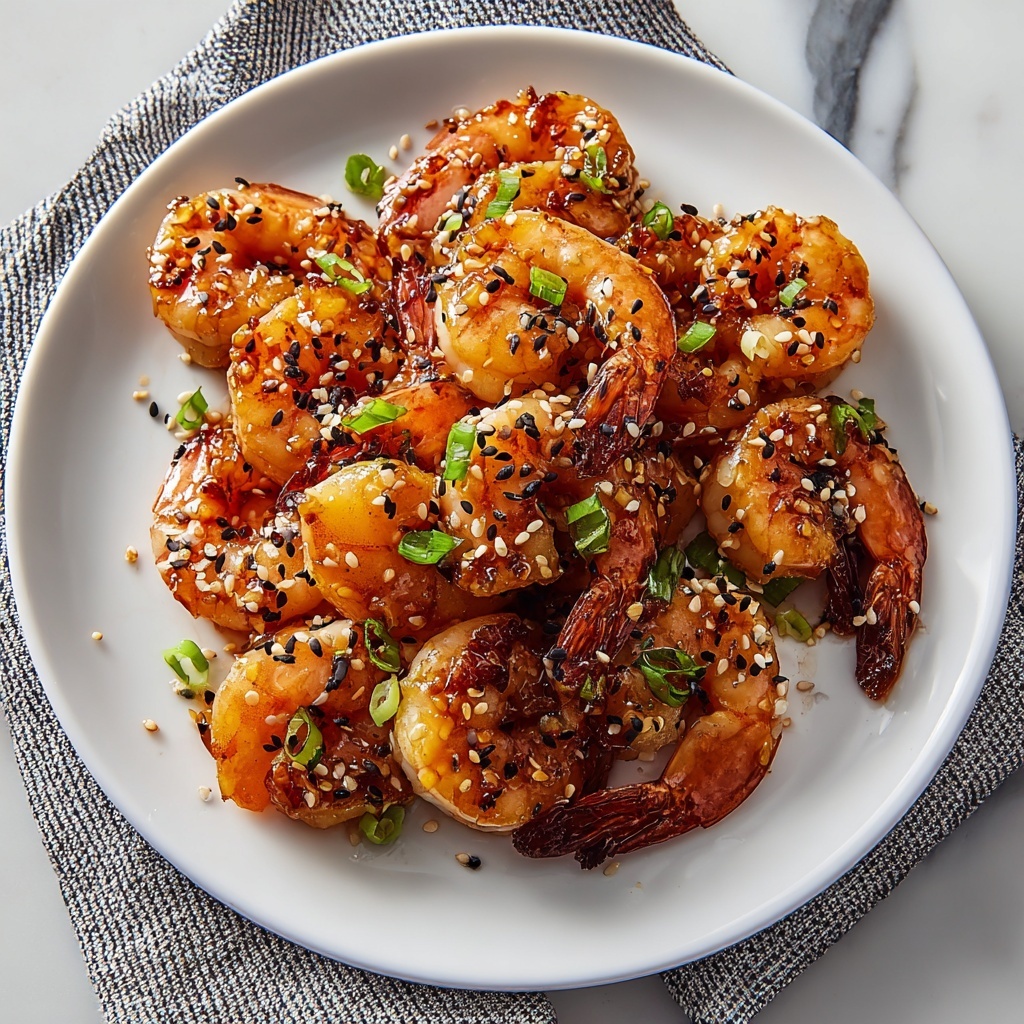
To make this Spicy Gochujang Shrimp Recipe come alive, you only need a handful of simple, yet powerful ingredients. Each one plays a critical role, whether it’s building the spicy base, adding brightness, or bringing texture and aroma to every bite.
- 1 lb large shrimp (peeled and deveined): The star of the dish, shrimp cooks quickly and soaks up flavors beautifully.
- 2 tbsp gochujang: This Korean chile paste gives the dish its signature spicy, slightly sweet, and umami-packed kick.
- 3 cloves garlic (minced): Garlic provides a fragrant depth that complements the shrimp perfectly.
- 2 tbsp low-sodium soy sauce: Adds a savory umami backbone without overpowering the delicate shrimp.
- 1 tbsp honey: Balances the heat with a touch of natural sweetness and enhances caramelization.
- 2 tbsp lime juice (freshly squeezed): Brightens the dish with fresh acidity, elevating all the flavors.
- 1 tsp sesame oil: Infuses a subtle, nutty aroma that ties the ingredients together deliciously.
- 2 green onions (chopped, for garnish): Adds color, freshness, and mild oniony crunch at the end.
- Cooked basmati rice or noodles (for serving): The perfect base to soak up the flavorful sauce of this dish.
How to Make Spicy Gochujang Shrimp Recipe
Step 1: Gather Your Ingredients
Before diving in, make sure you have everything prepped and ready to go. Peeling and deveining the shrimp beforehand makes the cooking flow faster and smoother, so you can focus on the fun part—bringing the flavors together.
Step 2: Mix the Sauce
In a medium bowl, whisk together the gochujang, low-sodium soy sauce, honey, freshly squeezed lime juice, and sesame oil. This combination is where the magic begins: creamy, spicy, tangy, and sweet all at once. Whisking until smooth ensures every shrimp will be coated perfectly.
Step 3: Cook the Shrimp
Heat a tablespoon of oil in a large skillet over medium-high heat. Place the shrimp in a single layer so they cook evenly and get a nice sear. Cook for about 3 to 4 minutes on each side until the shrimp turns pink and opaque—this quick cooking keeps them tender and juicy.
Step 4: Add Garlic for Aroma
During the last minute of cooking, toss in the minced garlic. Stir constantly to prevent burning and to release those wonderfully fragrant flavors that work hand in hand with the spiciness of the gochujang sauce.
Step 5: Coat the Shrimp
Pour the prepared sauce over the shrimp in the skillet. Stir and cook for an additional minute, allowing the shrimp to soak in the sauce’s bold flavors and get beautifully glossy. This step transforms simple shrimp into an irresistible spicy dish.
Step 6: Serve and Garnish
Transfer the shrimp to a serving plate or dish over a bed of fluffy basmati rice or your favorite noodles. Sprinkle the chopped green onions on top to add a burst of fresh color and mild crunch. Your Spicy Gochujang Shrimp Recipe is ready to enjoy!
How to Serve Spicy Gochujang Shrimp Recipe
Garnishes
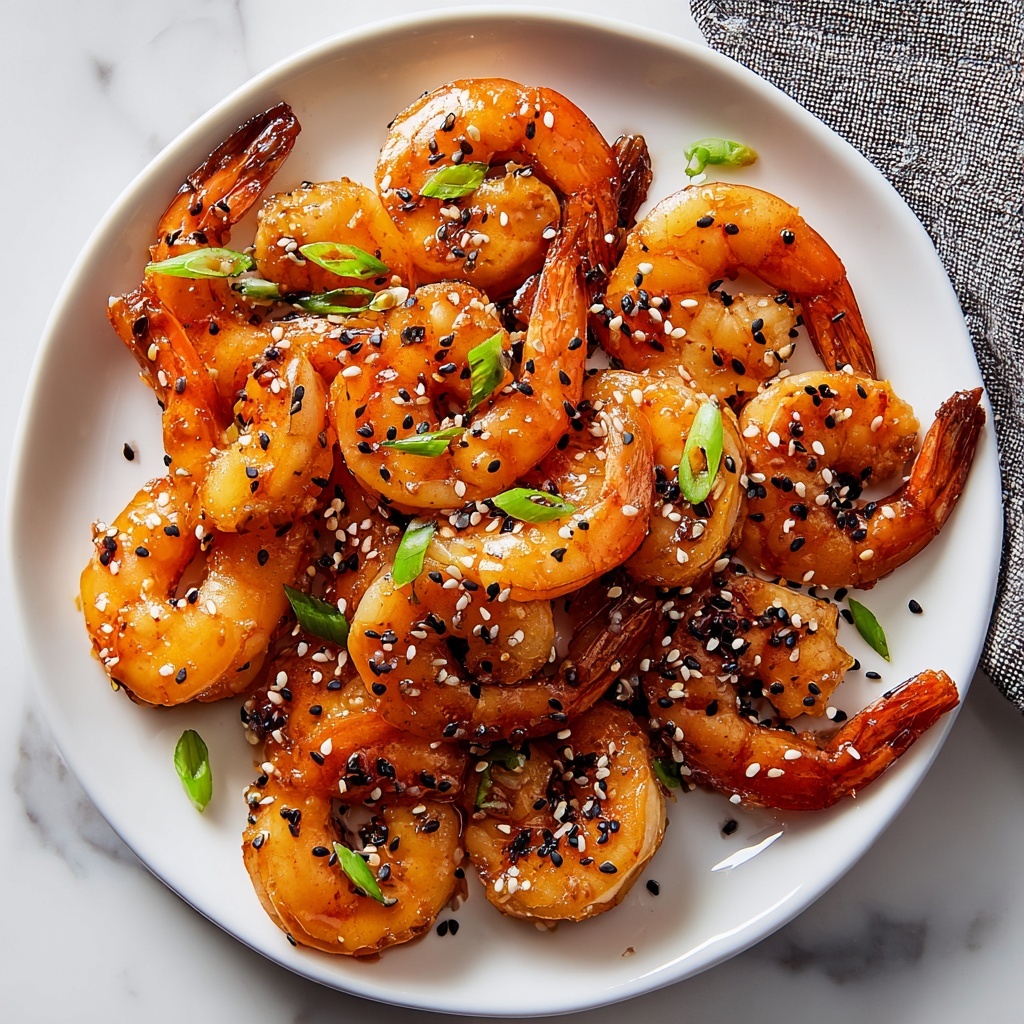
Adding garnishes like chopped green onions or even a sprinkle of toasted sesame seeds enhances both the visual appeal and the texture of the dish. A wedge of lime on the side can add an extra zing for those who love a bit more citrus brightness.
Side Dishes
This Spicy Gochujang Shrimp Recipe pairs beautifully with simple steamed or fried rice, which helps mellow the heat and soak up the flavorful sauce. Alternatively, cold noodle salads or lightly sautéed greens provide refreshing contrasts.
Creative Ways to Present
For a fun twist, try serving the shrimp in lettuce cups for a handheld delight that’s fresh and vibrant. You can also toss the shrimp with noodles and crushed peanuts for an Asian-inspired noodle bowl. The possibilities are endless when you let your creativity run wild!
Make Ahead and Storage
Storing Leftovers
Place any leftovers in an airtight container and refrigerate for up to two days. Since the shrimp is cooked, it’s best enjoyed fresh but still maintains its flavor when stored properly.
Freezing
While shrimp can be frozen, the texture may change slightly after thawing, so freezing this dish is not generally recommended. If needed, freeze the shrimp and sauce separately to preserve quality, but aim to cook just what you’ll eat to enjoy the best taste and texture.
Reheating
To reheat, gently warm the shrimp in a skillet over medium heat until just heated through. Avoid microwaving as it can toughen shrimp. Adding a splash of water or lime juice can refresh the sauce during reheating.
FAQs
Can I use frozen shrimp for this Spicy Gochujang Shrimp Recipe?
Yes, you can use frozen shrimp, but make sure they are fully thawed and patted dry before cooking to ensure they sear properly and don’t release excess water into the pan.
How spicy is this dish?
This recipe has a moderate level of heat thanks to the gochujang, which is spicy but balanced by the sweetness of honey and brightness from lime juice. You can adjust the amount of gochujang to suit your heat preference.
What can I substitute for gochujang if I can’t find it?
If gochujang isn’t available, you can substitute with a blend of miso paste and chili paste or Sriracha for heat, but keep in mind the flavor profile will differ slightly.
Is this recipe gluten-free?
To make it gluten-free, simply use a gluten-free soy sauce or tamari. The rest of the ingredients are naturally gluten-free, making this a great option for those with dietary restrictions.
Can I make this dish vegetarian or vegan?
For a vegetarian or vegan version, substitute the shrimp with firm tofu or mushrooms and use a plant-based sweetener and soy sauce. The gochujang sauce itself is typically vegan, so the spicy flavor remains intact.
Final Thoughts
This Spicy Gochujang Shrimp Recipe is one of those dishes you’ll find yourself making again and again because it’s so quick, flavorful, and satisfying. The balance of spicy, sweet, and tangy notes wrapped around tender shrimp creates a meal that feels special but comes together effortlessly. I wholeheartedly encourage you to try this recipe; your taste buds will thank you!
Print
Spicy Gochujang Shrimp Recipe
- Prep Time: 10 minutes
- Cook Time: 10 minutes
- Total Time: 20 minutes
- Yield: 4 servings
- Category: Main Course
- Method: Frying
- Cuisine: Korean-Inspired
Description
A quick and flavorful Spicy Gochujang Shrimp recipe featuring tender shrimp tossed in a vibrant gochujang-based sauce, served over basmati rice or noodles. Perfect for a spicy weeknight dinner with a Korean-inspired kick.
Ingredients
Shrimp and Sauce
- 1 lb large shrimp (peeled and deveined)
- 2 tbsp gochujang
- 3 cloves garlic (minced)
- 2 tbsp low-sodium soy sauce
- 1 tbsp honey
- 2 tbsp lime juice (freshly squeezed)
- 1 tsp sesame oil
For Cooking and Garnish
- 1 tbsp cooking oil (vegetable or canola oil recommended)
- 2 green onions (chopped, for garnish)
- Cooked basmati rice or noodles (for serving)
Instructions
- Prepare Ingredients: Gather all ingredients to streamline the cooking process and ensure everything is ready.
- Mix Sauce: In a medium bowl, whisk together gochujang, soy sauce, honey, lime juice, and sesame oil until well combined to form a flavorful sauce.
- Cook Shrimp: Heat 1 tablespoon of cooking oil in a large skillet over medium-high heat. Add the shrimp in a single layer and cook for about 3 to 4 minutes per side until they turn pink and opaque, indicating they are cooked through.
- Add Garlic: During the last minute of cooking the shrimp, add the minced garlic to the skillet and stir continuously until fragrant to infuse the shrimp with garlic aroma.
- Add Sauce: Pour the prepared gochujang sauce over the cooked shrimp. Stir and cook for an additional minute until the shrimp are fully coated and the sauce is heated through.
- Serve: Plate the spicy gochujang shrimp over warm cooked basmati rice or noodles. Garnish with chopped green onions for a fresh flavor and appealing presentation.
Notes
- Use peeled and deveined shrimp for the best texture and ease of cooking.
- Adjust the amount of gochujang to modify spiciness according to your preference.
- Lime juice adds a fresh tang that balances the spicy sauce well.
- Serve immediately to enjoy the shrimp at their best texture.
- This dish pairs wonderfully with steamed vegetables or a simple cucumber salad.