
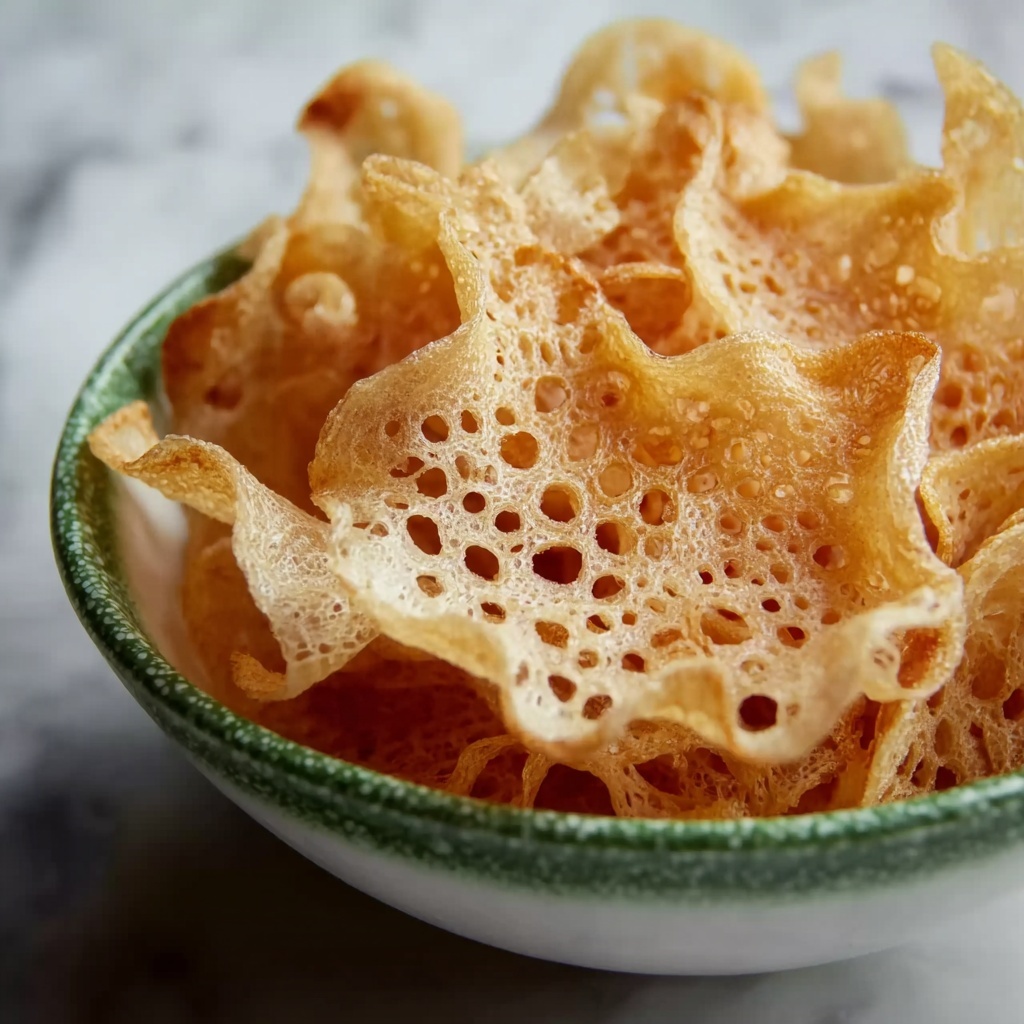
If you are craving a crunchy, light, and utterly addictive snack, let me introduce you to the gem of Japanese cuisine: the Crispy Lotus Root Chips (Renkon Chips) Recipe. These delightful chips showcase lotus root’s beautiful, lacy pattern in thin, perfectly crisp slices that are irresistibly satisfying. The combination of a subtle natural sweetness and a gentle earthiness comes alive with each bite, enhanced by a light sprinkle of sea salt or your favorite Japanese seasonings. Trust me, once you make these at home, they’ll quickly become your go-to snack or appetizer for any occasion.

Ingredients You’ll Need
The magic of making Crispy Lotus Root Chips (Renkon Chips) lies in the simplicity of the ingredients. Each one is thoughtfully chosen to highlight the natural flavor of the lotus root while ensuring a super crispy texture and a beautiful golden color.
- 1 large lotus root, peeled: The star of the dish, lotus root has a unique crunchy texture and elegant appearance when sliced thin.
- 2 cups cold water: Keeps the lotus root slices crisp and prevents oxidation for a pristine look.
- 1 tablespoon rice vinegar: Added to the water to help reduce discoloration and remove excess starch, keeping the chips light and crunchy.
- Vegetable oil for frying: Essential for deep frying to achieve that perfect golden crunch.
- 1/2 teaspoon fine sea salt or to taste: Enhances the natural flavors and adds a satisfying touch of seasoning.
- Optional seasonings (furikake, shichimi togarashi, seaweed salt): Add an extra layer of umami, spice, or herbaceous notes to customize your chips.
How to Make Crispy Lotus Root Chips (Renkon Chips) Recipe
Step 1: Prepare the Lotus Root
Begin by peeling your lotus root carefully and slicing it into very thin rounds using a sharp knife or mandoline. Thin slices are key to unlocking that perfect crispiness, so take your time here. Once sliced, soak the rounds in cold water combined with rice vinegar for about 5 to 10 minutes. This little trick prevents the lotus root from turning brown and removes some excess starch, which helps the chips stay crisp and gorgeous after frying.
Step 2: Dry the Slices Thoroughly
Drain the lotus root slices and lay them out on paper towels. Pat them completely dry to avoid excess moisture, which can lead to soggy chips and dangerous oil splatters. This drying step might feel tedious, but it’s absolutely essential for that coveted crunch and crisp texture.
Step 3: Heat the Oil to Perfection
Heat vegetable oil in a deep skillet or saucepan to 350 degrees Fahrenheit. Using a thermometer helps maintain the perfect temperature—too hot and your chips will burn quickly, too cool and they’ll soak up oil and turn greasy. Consistency is crucial for frying the lotus root slices beautifully.
Step 4: Fry the Lotus Root Slices
Working in small batches, gently drop the dried lotus root slices into the oil. Fry them for 2 to 3 minutes, turning occasionally to ensure even golden color and crispness. Once they turn a lovely golden brown and feel crisp, use a slotted spoon to remove them and place onto fresh paper towels for draining excess oil.
Step 5: Season and Cool
While still warm, sprinkle the hot chips with fine sea salt and your choice of optional seasonings like furikake or shichimi togarashi. Let them cool slightly on a wire rack or paper towels—they continue to crisp as they cool, making them irresistible and perfect to serve.
How to Serve Crispy Lotus Root Chips (Renkon Chips) Recipe
Garnishes
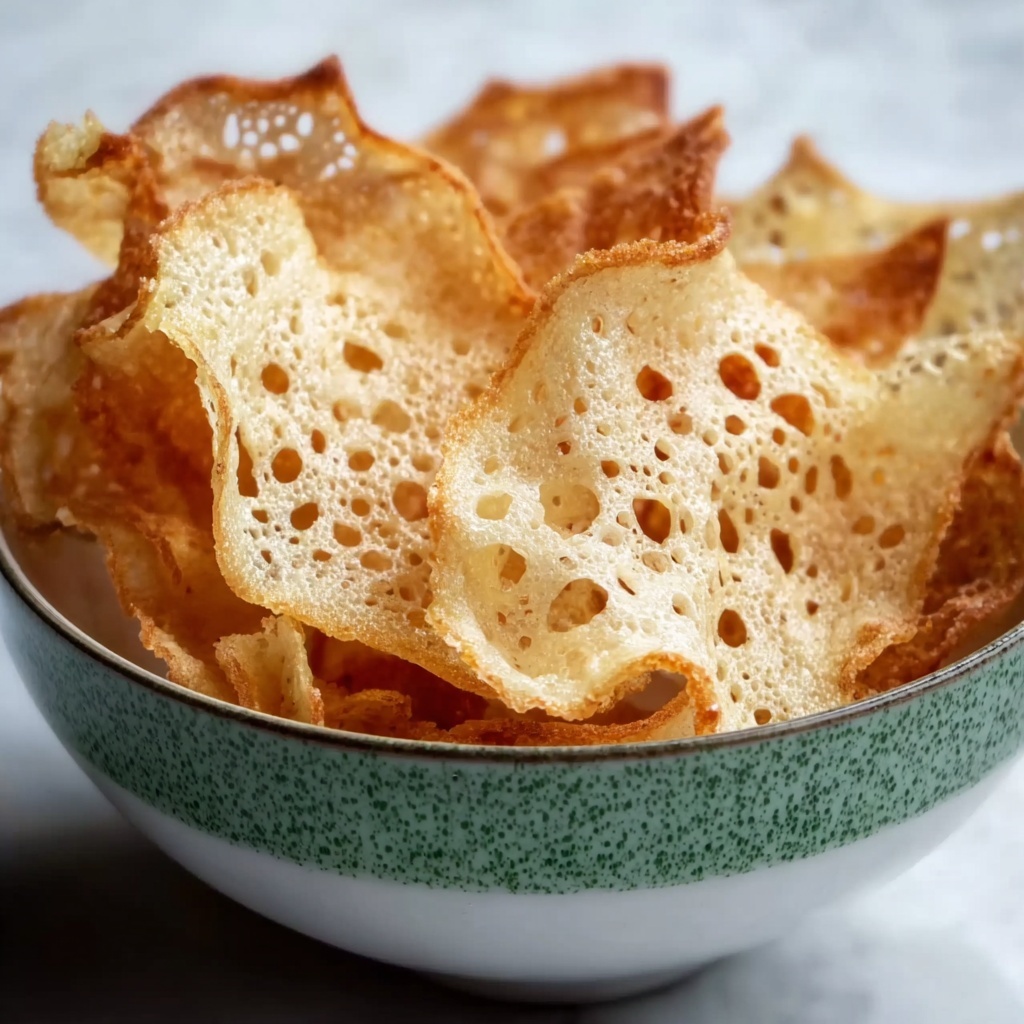
Sprinkling your lotus root chips with a touch of sea salt right out of the fryer always elevates their flavor. For an extra Japanese twist, toss on furikake seasoning—a delightful mix of toasted sesame seeds, nori, and salt. If you like a hint of spice, shichimi togarashi brings a beautiful, complex heat that makes each chip pop with flavor. These garnishes not only enhance taste but give a gorgeous colorful finish that’s sure to impress guests.
Side Dishes
Crispy Lotus Root Chips (Renkon Chips) make for a perfect crunchy side alongside a variety of light Japanese dishes. Pair them with a fresh seaweed salad or a bowl of miso soup to balance out textures and flavors. They also complement soporific bento boxes and share tables with steamed rice and grilled fish effortlessly. Their light, crispy nature lends a wonderful contrast to softer, savory mains.
Creative Ways to Present
For a fun twist, serve your lotus root chips in mini cones made from parchment paper or Japanese washi paper, creating a charming street-food vibe. You could also arrange them artfully on a platter with dips such as wasabi mayo, ponzu sauce, or even a tangy soy-ginger dip. Layering chips with fresh herbs like shiso or a sprinkle of toasted sesame seeds adds visual interest and an aromatic touch that will wow any crowd.
Make Ahead and Storage
Storing Leftovers
If you happen to have leftovers (though I doubt you will), store them in an airtight container at room temperature to maintain crispness. It’s best to eat them within 1 to 2 days, as any moisture buildup can make these delicate chips lose their crunch.
Freezing
Freezing is not recommended for Crispy Lotus Root Chips (Renkon Chips) because moisture crystals form and will turn the chips soggy upon thawing. For the crispiest experience, it’s always best to enjoy them fresh or freshly made.
Reheating
If needed, you can re-crisp the chips by placing them on a baking sheet in a preheated oven at 300°F for 5 to 7 minutes. Keep an eye on them to avoid burning, and you’ll be rewarded with revived crunch and warmth, almost as good as fresh.
FAQs
Can I bake the lotus root chips instead of frying?
Absolutely! Baking is a healthier alternative, though the texture will not be quite as crispy as frying. To bake, brush thin lotus root slices lightly with oil and bake on a parchment-lined sheet at 375°F for 15 to 20 minutes, flipping halfway through.
What kitchen tool works best for slicing the lotus root?
A mandoline slicer is ideal for getting paper-thin, uniform slices which fry to perfect crispness. If you don’t have one, a very sharp chef’s knife will do the trick—just take your time to slice evenly.
Are lotus root chips gluten-free and vegan?
Yes! This recipe uses naturally vegan ingredients and contains no gluten. Just make sure any seasonings you add are also gluten-free if this is a concern for you.
How long do these chips stay crispy once made?
When stored properly in a sealed container at room temperature, they typically remain crispy for up to 2 days. After that, moisture can soften them, so it’s best to enjoy them fresh.
Can I use other types of oil for frying?
Vegetable oil is preferred because of its neutral flavor and high smoke point. You can also use canola or peanut oil if you have those on hand, but avoid oils with low smoke points to prevent burning and unpleasant flavors.
Final Thoughts
Making Crispy Lotus Root Chips (Renkon Chips) at home is a joyful journey into Japanese flavors and textures that’s surprisingly easy and incredibly rewarding. From the satisfying crunch to the delicate, earthy sweetness of lotus root combined with aromatic seasonings, it’s a snack that demands to be shared. I encourage you to give this recipe a try—you’ll be surprised at how quickly these beautiful chips disappear, and how often you find yourself reaching for just one more.
Print
Crispy Lotus Root Chips (Renkon Chips) Recipe
- Prep Time: 15 minutes
- Cook Time: 10 minutes
- Total Time: 25 minutes
- Yield: 4 servings
- Category: Snack
- Method: Frying
- Cuisine: Japanese
- Diet: Vegan, Gluten Free
Description
Crispy Lotus Root Chips, also known as Renkon Chips, are a delightful Japanese snack perfect for those who love a crunchy, flavorful treat. These chips are thinly sliced lotus root, lightly soaked in a vinegar-infused water bath to retain their color and texture, then fried until golden and crisp. Seasoned simply with sea salt or your choice of Japanese seasonings like furikake, shichimi togarashi, or seaweed salt, they make an excellent healthy snack or appetizer that is both vegan and gluten-free.
Ingredients
Ingredients
- 1 large lotus root, peeled
- 2 cups cold water
- 1 tablespoon rice vinegar
- Vegetable oil for frying
- 1/2 teaspoon fine sea salt, or to taste
- Optional seasonings: furikake, shichimi togarashi, or seaweed salt
Instructions
- Slicing the Lotus Root: Using a sharp knife or mandoline, slice the lotus root into very thin rounds. Thin slices ensure maximum crispiness in the final chips.
- Soaking the Slices: Place the lotus root slices into a bowl of cold water mixed with rice vinegar. Let them soak for 5 to 10 minutes. This step helps prevent discoloration and removes excess starch from the slices.
- Drying the Slices: Drain the soaking water and pat the lotus root slices completely dry using paper towels. Removing moisture is crucial to achieve crispiness when frying.
- Heating the Oil: Heat vegetable oil in a deep skillet or saucepan to 350°F (175°C). Use enough oil to submerge the slices for even frying.
- Frying the Chips: Fry the lotus root slices in small batches for 2 to 3 minutes, turning occasionally to ensure even cooking. Fry until they turn golden and crisp.
- Draining Excess Oil: Use a slotted spoon to remove the chips from the oil and drain them on paper towels to absorb any excess oil.
- Seasoning: While the chips are still hot, sprinkle them with fine sea salt and any optional seasonings such as furikake, shichimi togarashi, or seaweed salt.
- Cooling and Serving: Allow the chips to cool slightly; they will continue to crisp as they cool. Serve fresh as a savory snack.
Notes
- Thin slicing is essential for the best crispy texture; use a mandoline if possible for uniform thickness.
- Soaking in vinegar water prevents discoloration and improves taste by removing starch.
- While frying yields the most authentic texture, baking or air frying are alternatives for a lighter chip.
- Season the chips immediately after frying while they’re still hot for better adherence of seasonings.
- Store leftover chips in an airtight container to maintain crispiness, but best enjoyed fresh.