
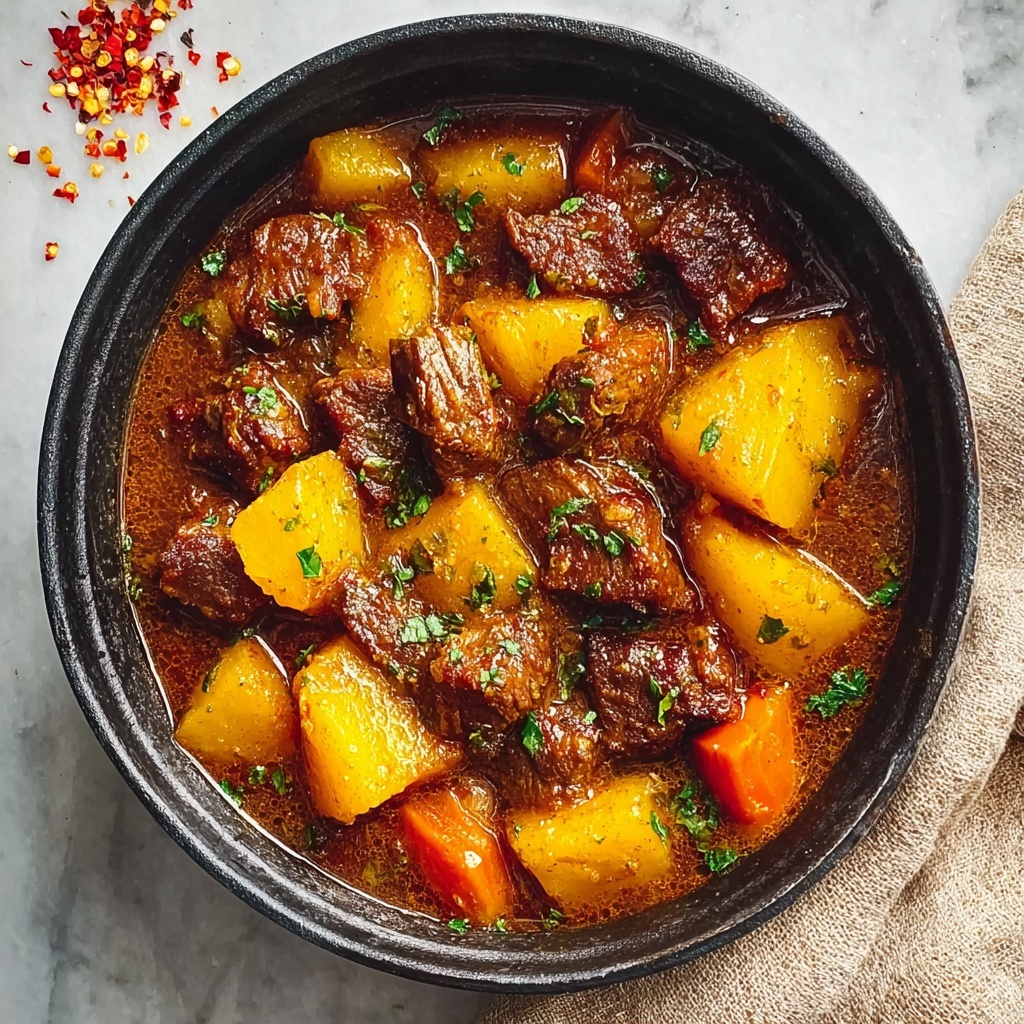
If you have ever craved a soul-satisfying, hearty meal that warms you from the inside out, this Classic Beef Stew Recipe is exactly what you’ve been waiting for. It brings together tender chunks of beef, vibrant vegetables, and a rich, savory broth that simmers slowly to develop layers of unforgettable flavor. Each bite tells a story of comfort and tradition, making it perfect for any occasion where you want to feel cozy, nourished, and utterly delighted by a truly classic dish.
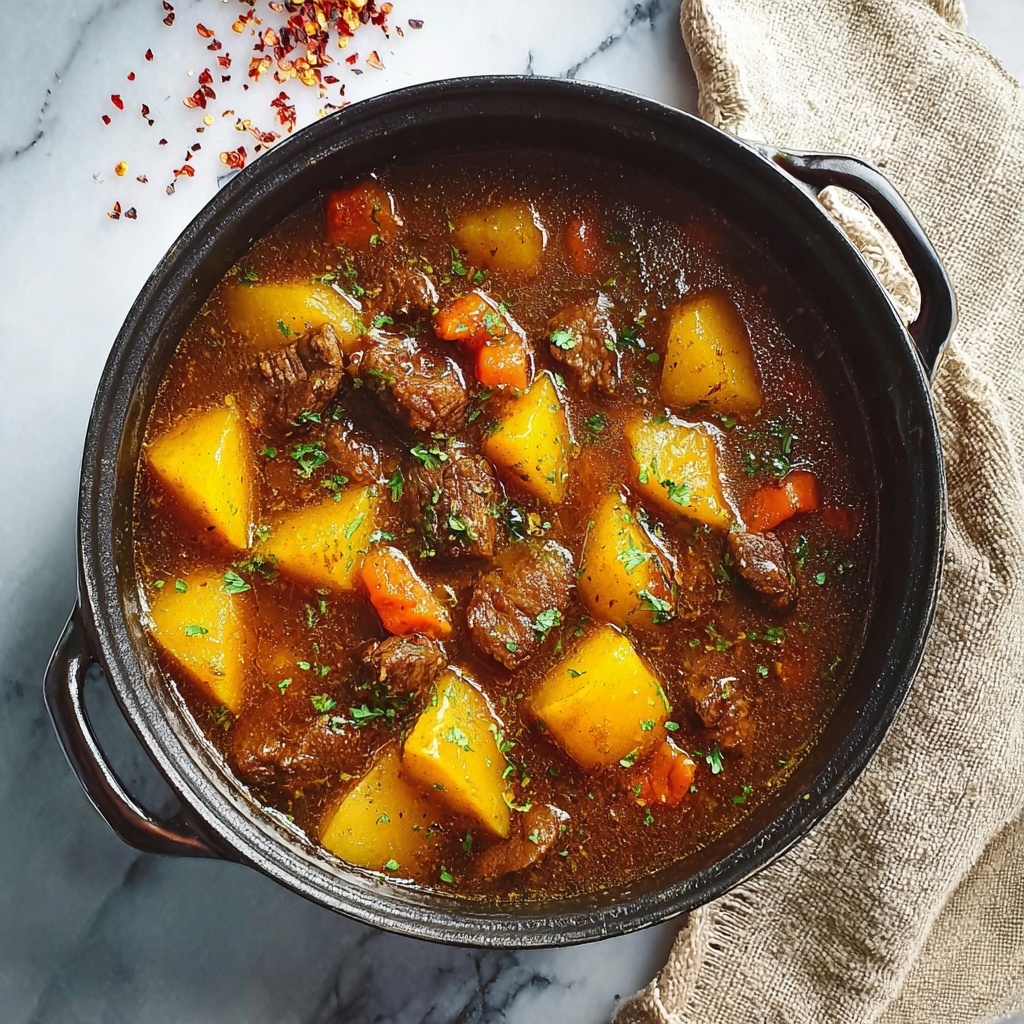
Ingredients You’ll Need
This Classic Beef Stew Recipe shines because it uses simple, essential ingredients that each play a crucial role. From the perfectly browned beef chunks to the mix of vegetables and seasonings, every item contributes to the stew’s rich taste, hearty texture, and mouthwatering color.
- 1/4 cup flour: This is key to coating the beef and helping create a flavorful crust that locks in juices and thickens the stew.
- 1 tablespoon paprika: Adds a warm, slightly smoky depth that enhances the overall taste.
- 1 teaspoon salt: Essential to bring all the flavors together—adjust to your liking.
- 1 teaspoon black pepper: Offers a subtle kick to balance the dish perfectly.
- 3 pounds beef chuck, cut into 1.5 inch chunks: The star of the dish, chosen for its ideal marbling and tenderness after slow cooking.
- 4 tablespoons olive oil, divided: Used for searing the meat and sautéing aromatics to build the stew’s flavor base.
- 1 large white onion, chopped: Provides a sweet, savory foundation that blends effortlessly with other vegetables.
- 1 green bell pepper, chopped (or jalapenos for a spicier version): Adds freshness and a hint of crunch, with optional heat.
- 1 stalk celery, chopped: Brings a subtle aromatic bitterness and additional texture.
- 5 garlic cloves, chopped: Imparts an irresistible, fragrant punch that lifts the entire stew.
- 3 tablespoons tomato paste: Intensifies the stew’s color and deep, umami flavor.
- 2 cups red wine (such as Cabernet Sauvignon; beef stock may be substituted): The wine deglazes the pot and adds a rich, slightly fruity complexity.
- 2 cups beef stock: The soul of the stew, providing depth and body.
- 1 tablespoon Worcestershire sauce: Adds a savory tang and boosts the meatiness.
- 1 tablespoon Italian seasoning (your favorite dried herb blend): Introduces aromatic herbs that complement and round out the flavors.
- 2 bay leaves: A small addition that lends incredible depth and warmth.
- 1 pound yellow potatoes, cut into bite-sized pieces: These tender chunks soak up all the lovely flavors while adding comforting starchiness.
- 3 large carrots, cut into bite-sized pieces: Sweetness and texture come alive with these vibrant additions.
How to Make Classic Beef Stew Recipe
Step 1: Prepare the Coating
Start by mixing the flour, paprika, salt, and pepper in a large bowl. Then, toss your beef chunks in this mixture until they are lightly coated all over. This step is crucial because it helps create a beautiful brown crust on the meat and adds a natural thickness to your stew’s broth later on.
Step 2: Sear the Beef
Heat 1 tablespoon of olive oil in a heavy-bottomed pot over medium-high heat. Working in batches to avoid overcrowding, sear the beef chunks on all sides until they develop a rich, browned color—this caramelization locks in flavor. Each batch takes about 5 minutes, and don’t forget to add oil between batches to maintain the perfect sear. Once seared, move the beef to a plate and set aside.
Step 3: Sauté the Aromatics
With the beef done, add the remaining olive oil to the empty pot. Toss in the chopped onion, green bell pepper, and celery. Stir them occasionally for about 5 minutes, letting these vegetables soften and release their natural sweetness and aroma, forming the fragrant base of your stew.
Step 4: Add Garlic and Tomato Paste
Next, stir in the chopped garlic and tomato paste. Cook while stirring continuously for about one minute. This step slightly darkens the tomato paste and blends the garlic’s pungency perfectly into the mix, adding layers of richness.
Step 5: Deglaze the Pot
Pour in the red wine, beef stock, and Worcestershire sauce. Using a wooden spoon, scrape up all the caramelized bits stuck to the bottom—these are packed with flavor and essential to a great stew. This deglazing step infuses your liquid with intense savory notes that make all the difference.
Step 6: Combine Ingredients and Braise
Return the seared beef and any juices back into the pot. Add the Italian seasoning and bay leaves. Stir gently to combine all ingredients and make sure the beef is fully submerged. Bring the mixture to a boil, then reduce to a gentle simmer. Cover the pot and let it braise for 2 hours. Slow cooking at low heat breaks down the connective tissue, leaving you with tender, melt-in-your-mouth beef.
Step 7: Add Vegetables and Continue Simmering
After 2 hours, remove the lid and add potatoes and carrots. Let the stew simmer uncovered for another hour, allowing the vegetables to soften and soak up all that rich flavor. Keep an eye on the stew; if the beef needs a little longer to reach tenderness, continue simmering until it’s just right.
Step 8: Rest and Serve
Once cooked, remove the stew from heat and let it cool. For the most incredible depth of flavor, refrigerate overnight so everything can meld together beautifully. When you’re ready to enjoy, simply reheat on a low flame, and dig into a bowlful of hearty comfort.
How to Serve Classic Beef Stew Recipe
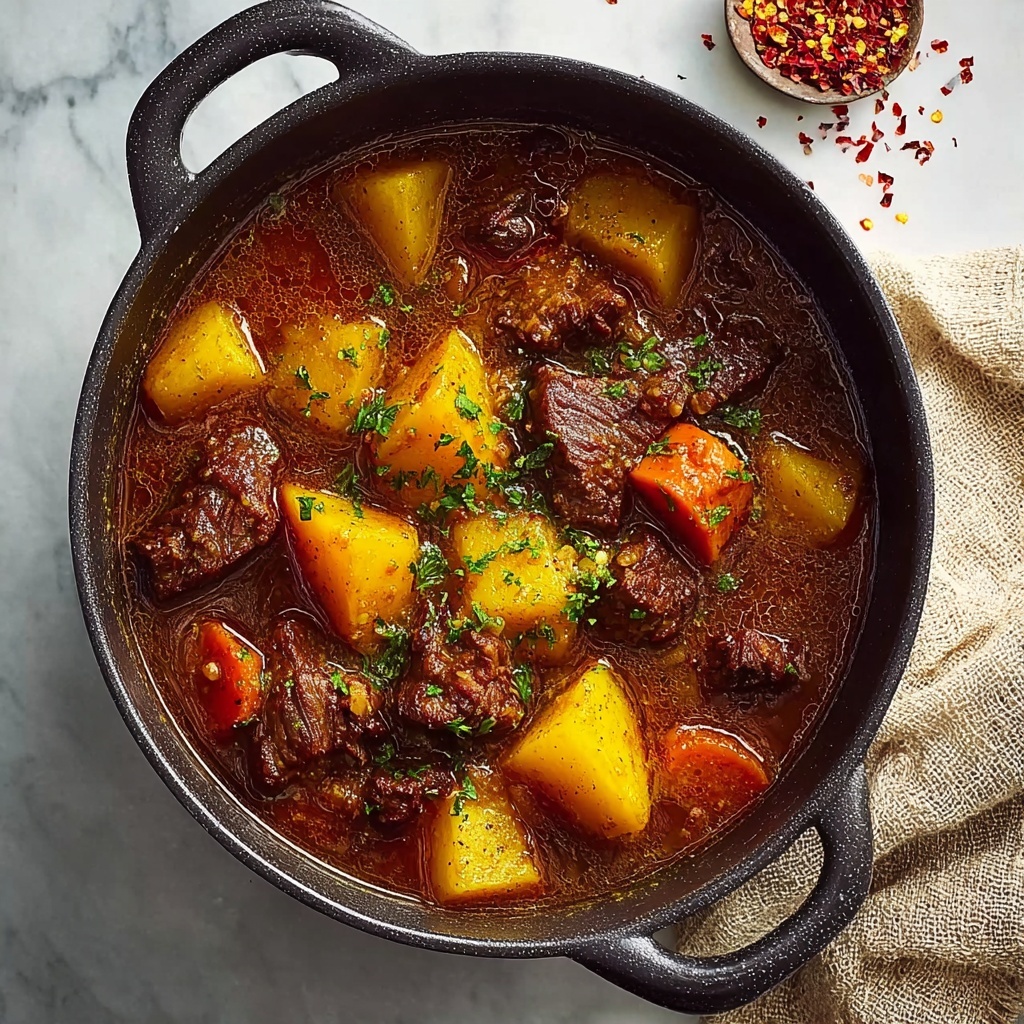
Garnishes
A sprinkle of freshly chopped parsley or thyme adds a bright, herbal note that cuts through the richness. A dollop of sour cream can jazz things up with creaminess, while cracked black pepper on top brings that final touch of spice and texture.
Side Dishes
Crusty bread or buttery dinner rolls are perfect for soaking up every luscious drop of stew. For lighter sides, creamy mashed potatoes or buttered noodles pair beautifully and keep the meal hearty without overwhelming your palate.
Creative Ways to Present
Serve your Classic Beef Stew Recipe in rustic bowls with a side of roasted seasonal vegetables for a dinner party vibe. Or get cozy by ladling it over fluffy mashed potatoes for a classic culinary hug on a chilly evening. You can also try finishing with a splash of cream or a drizzle of aged balsamic vinegar to elevate the flavor profile in unexpected but delightful ways.
Make Ahead and Storage
Storing Leftovers
This stew actually tastes better the next day! Cool it to room temperature then transfer to airtight containers and store in the refrigerator for up to 3 days. The flavors deepen as it rests, making your leftovers even more comforting.
Freezing
Perfect for meal prep, you can freeze the stew for up to 3 months. Use freezer-safe containers or heavy-duty bags, leaving some space for expansion. Thaw overnight in the fridge before reheating to keep the quality intact.
Reheating
Reheat gently on the stovetop over low heat, stirring occasionally to ensure even warming. Add a splash of beef stock or water if it thickens too much. Microwave reheating works too—just cover and stir halfway through to avoid hot spots.
FAQs
Can I use a different cut of beef for this Classic Beef Stew Recipe?
Absolutely! While beef chuck is ideal because it becomes tender when slow-cooked, you can also use brisket or round. Just keep in mind that cooking times might vary slightly with different cuts.
Is it necessary to use red wine in the stew?
Red wine adds wonderful depth and complexity but if you prefer not to use alcohol, you can substitute it with an equal amount of beef stock or a non-alcoholic red wine alternative. The stew will still be delicious!
Can I make this stew spicy?
Definitely! Swap the green bell pepper for jalapenos or add a pinch of cayenne pepper or crushed red chili flakes while cooking the aromatics. This will give your Classic Beef Stew Recipe a nice kick without overpowering the flavors.
How do I know when the stew is done?
The beef should be fork-tender, meaning it easily pulls apart when tested. The potatoes and carrots should be soft but not mushy. If not quite there, give it a little more time—slow and low is the secret to perfection.
Can I prepare this stew in a slow cooker?
You sure can! Follow the same initial searing steps to develop flavor, then transfer everything into your slow cooker. Cook on low for 8 to 10 hours or on high for 4 to 6 hours until the beef is tender and the vegetables are cooked through.
Final Thoughts
This Classic Beef Stew Recipe is more than just a meal—it’s a warm hug in a bowl that’s sure to brighten chilly days and bring a smile to everyone’s face at your table. Whether you’re making it for a family dinner or sharing with friends, it promises to fill your kitchen with irresistible aromas and your heart with comfort. Give it a try and discover why it’s become a beloved classic for so many food lovers like us.
Print
Classic Beef Stew Recipe
- Prep Time: 30 minutes
- Cook Time: 3 hours
- Total Time: 3 hours 30 minutes
- Yield: 6 servings
- Category: Main Course
- Method: Stovetop
- Cuisine: American
Description
This Classic Beef Stew is a hearty, comforting dish perfect for chilly days. Tender chunks of beef chuck are seared to perfection, then slowly braised with aromatic vegetables, red wine, and herbs to create a rich, flavorful stew. Finished with tender potatoes and carrots, this stew is ideal for a satisfying family meal and even tastes better the next day as the flavors meld beautifully.
Ingredients
Beef and Coating
- 1/4 cup flour
- 1 tablespoon paprika
- 1 teaspoon salt (or to taste)
- 1 teaspoon black pepper
- 3 pounds beef chuck, cut into 1.5 inch chunks
- 4 tablespoons olive oil, divided
Vegetables and Aromatics
- 1 large white onion, chopped
- 1 green bell pepper, chopped (or jalapenos for a spicier version)
- 1 stalk celery, chopped
- 5 garlic cloves, chopped
Stew Base and Seasonings
- 3 tablespoons tomato paste
- 2 cups red wine (such as Cabernet Sauvignon; beef stock may be substituted)
- 2 cups beef stock
- 1 tablespoon Worcestershire sauce
- 1 tablespoon Italian seasoning (your favorite dried herb blend)
- 2 bay leaves
Vegetables for Stewing
- 1 pound yellow potatoes, cut into bite-sized pieces
- 3 large carrots, cut into bite-sized pieces
Instructions
- Prepare the Coating: In a large bowl, combine the flour, paprika, salt, and black pepper. Thoroughly mix these ingredients to create a seasoning blend that will coat the beef chunks and enhance browning.
- Coat the Beef: Dip each piece of beef chuck into the flour mixture, lightly coating all sides. This coating helps develop a flavorful crust when searing.
- Sear the Beef: Heat 1 tablespoon of olive oil in a Dutch oven or large heavy-bottomed pot over medium-high heat. Working in three batches to avoid overcrowding, sear the beef chunks on all sides until they achieve a deep golden-brown color, approximately 5 minutes per batch. Transfer the seared beef to a plate. Add another tablespoon of oil before each subsequent batch to prevent sticking and ensure even browning.
- Sauté the Aromatics: Add the remaining 1 tablespoon of olive oil to the empty pot. Add the chopped onion, green bell pepper, and celery. Cook, stirring occasionally, for about 5 minutes until the vegetables soften and release their fragrance.
- Add Garlic and Tomato Paste: Stir in the chopped garlic and tomato paste. Cook, stirring constantly for about 1 minute until the tomato paste darkens slightly and blends well with the aromatics.
- Deglaze the Pot: Pour in the red wine, beef stock, and Worcestershire sauce. Use a wooden spoon to scrape up any browned bits stuck to the bottom of the pot, incorporating these rich flavor foundations into the stew base.
- Combine Ingredients: Return the seared beef and any accumulated juices back into the pot. Add the Italian seasoning and bay leaves. Stir gently to combine everything, ensuring that the beef is submerged under the liquid.
- Braise the Stew: Bring the mixture to a boil, then reduce the heat to low. Cover and simmer gently for 2 hours. This slow, moist cooking tenderizes the beef and allows flavors to meld deeply.
- Add Vegetables: After 2 hours, remove the lid and add the potatoes and carrots. Continue to simmer the stew uncovered for an additional hour or until the vegetables are tender and the beef is fork-tender. If needed, continue simmering until desired tenderness is reached.
- Rest and Serve: Remove the stew from heat. For best flavor, let the stew cool, refrigerate overnight to allow the flavors to develop further, then reheat over low heat on the stovetop before serving.
Notes
- For a spicier version, substitute green bell pepper with jalapenos.
- Using red wine adds depth, but beef stock can be used as a substitute if needed.
- Allowing the stew to rest overnight in the refrigerator enhances the flavor.
- Use a heavy-bottomed pot or Dutch oven for best heat distribution during searing and braising.
- Adjust seasoning with salt and pepper before serving, as the stew reduces and intensifies in flavor.