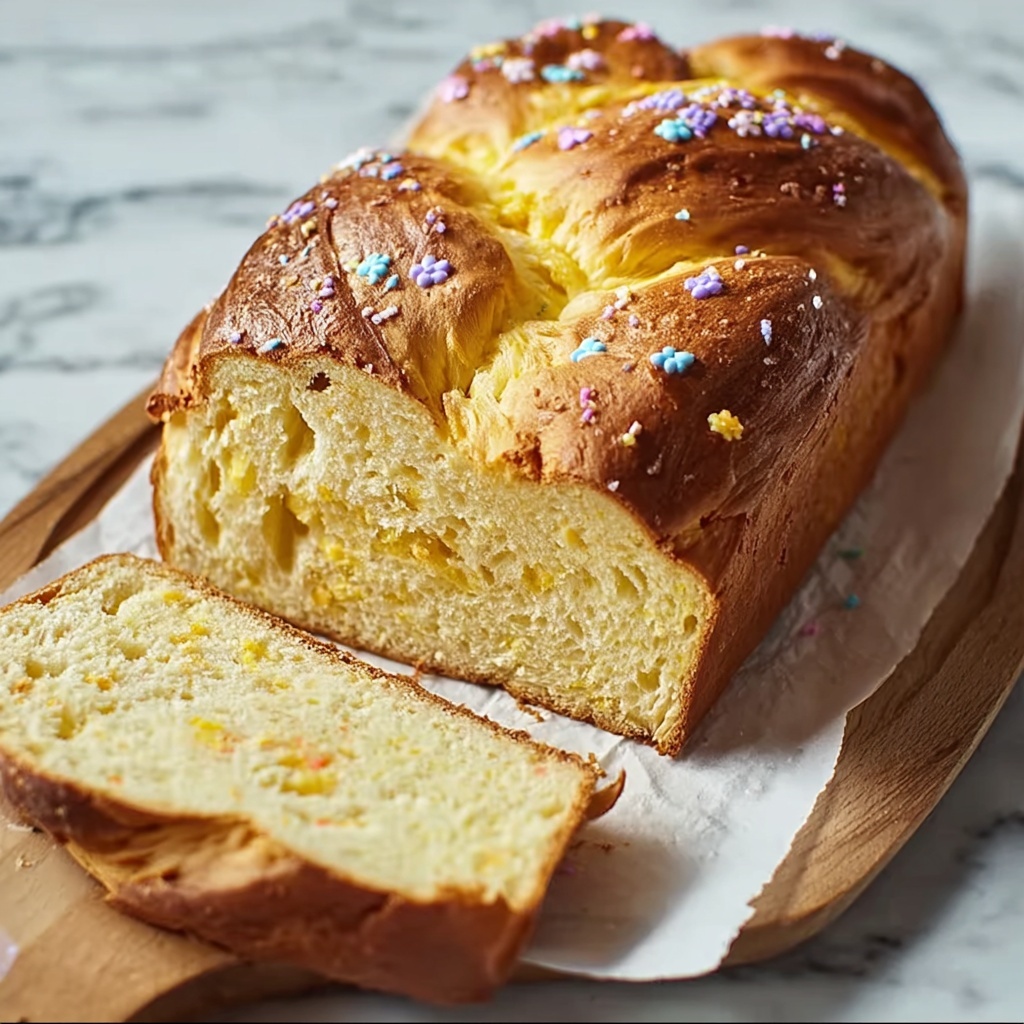
If you’ve ever wanted to bring a slice of Italian tradition right into your kitchen, this Italian Ricotta Easter Bread Recipe is an absolute must-try. It’s a beautifully braided, slightly sweet bread enriched with creamy ricotta that makes every bite so tender and moist. Whether you’re celebrating Easter or simply craving something uniquely comforting, this bread offers delicate flavors, a soft crumb, and a golden crust that looks as stunning as it tastes. Incorporating classic ingredients and an easy braid makes it a delightful project that promises to fill your home with irresistible aromas and joy.
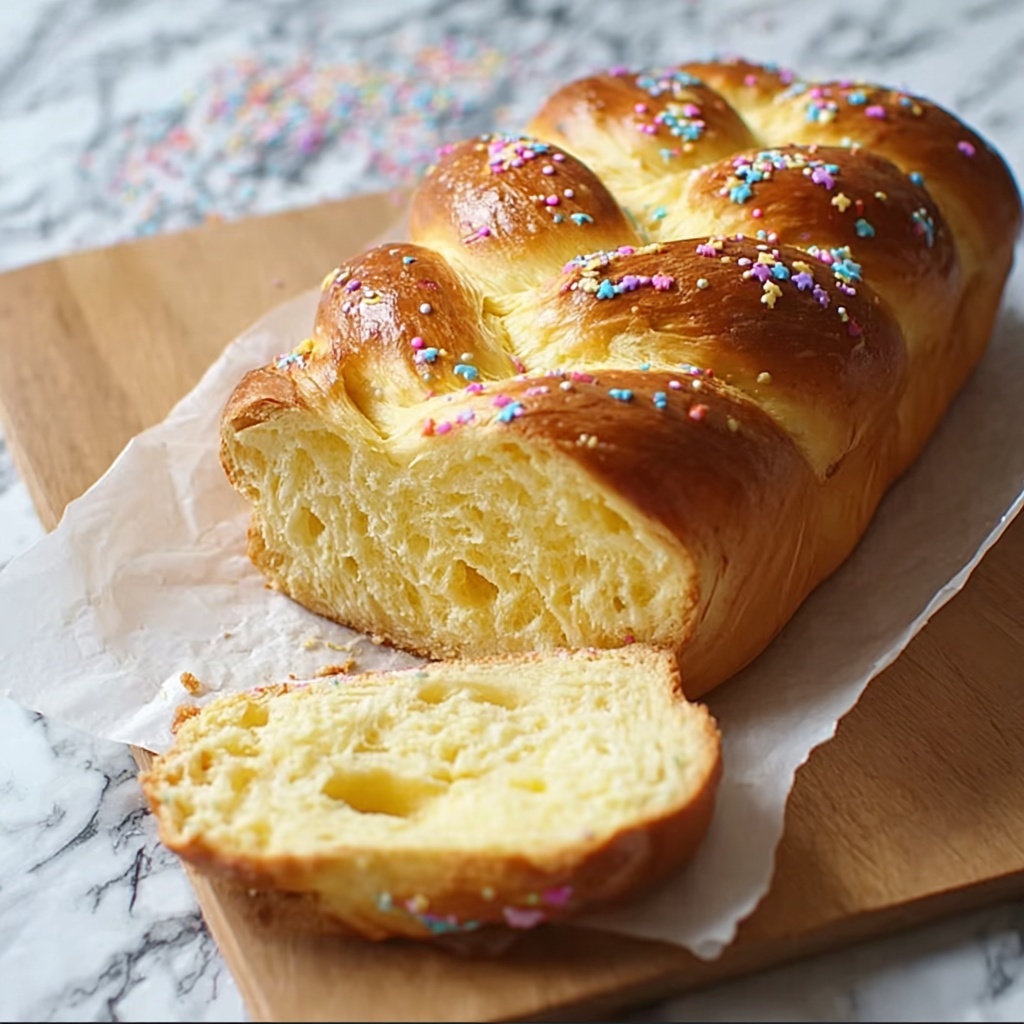
Ingredients You’ll Need
For this Italian Ricotta Easter Bread Recipe, you only need simple pantry staples and fresh dairy to create something truly spectacular. Each ingredient balances perfectly, contributing depth, tenderness, and a subtle sweetness to this festive bread.
- All-purpose flour: The backbone of the bread, providing structure and the perfect texture.
- Active dry yeast: Essential for that lovely rise and airy crumb.
- Whole milk, warmed: Adds richness and activates the yeast gently.
- Ricotta cheese, drained: A secret superstar, making the bread incredibly soft and tender.
- Granulated sugar: Brings just the right sweetness to balance the flavors.
- Unsalted butter, melted: Adds luscious richness and a tender crumb.
- Large eggs: Bind the dough and contribute to the bread’s golden hue.
- Vanilla extract: Infuses a subtle warmth and aromatic depth.
- Salt: Enhances all the flavors and balances the sweetness.
- Ground cinnamon (optional): Offers a gentle hint of spice for warmth and complexity.
- Egg (for egg wash): Creates a shiny, inviting crust.
- Sprinkles or colored sugar (optional): For festive decoration that adds a playful crunch.
- Dyed Easter eggs (optional, for decoration): The charming traditional touch that makes the bread instantly festive.
How to Make Italian Ricotta Easter Bread Recipe
Step 1: Prepare the Dough
Start with activating your yeast by mixing the warm milk, yeast, and a tablespoon of sugar. Let it sit until it becomes foamy—that’s when you know the yeast is alive and ready. In your mixing bowl, combine flour, the remaining sugar, salt, and cinnamon if you’re using it for that extra flair. Add the ricotta, melted butter, eggs, vanilla, and the yeast mixture, then stir everything together until just combined. Turn the dough out onto a floured surface and knead for about 8-10 minutes until the dough feels smooth and elastic—this kneading is what gives the bread its lovely texture. Let the dough rest in a greased bowl under a damp towel, where it will double in size in about an hour to an hour and a half.
Step 2: Shape the Bread
Once your dough has doubled in size, punch it down gently to release the air. Divide the dough into three equal parts, and roll each into a long rope around 18-20 inches. This step is fun because you’re about to braid! Braid the ropes together carefully and if you want to make it truly authentic, tuck those colorful dyed Easter eggs among the braids. Place your beautiful braided dough on a baking sheet lined with parchment paper.
Step 3: Let the Bread Rise
Cover the braided dough with a towel and let it rise again for 30 minutes to an hour. This second rise will make your bread extra fluffy and bring out the rich flavors even more. It’s like the bread is gearing up for its grand finale in the oven.
Step 4: Bake the Bread
Preheat your oven to 350°F (175°C). Before popping your bread in, brush it with a beaten egg wash to ensure it gets that gorgeous, shiny golden crust. Bake for 30 to 35 minutes until the bread is golden and sounds hollow when you gently tap the bottom—this little tap test always gives me peace of mind that the bread is perfectly baked inside.
Step 5: Cool and Decorate
When the bread is baked to perfection, allow it to cool on a wire rack so it firms up just right. If you want to add an extra festive sparkle, sprinkle the top with colorful sugar or sprinkles once cooled. This last touch makes the Italian Ricotta Easter Bread Recipe not only taste special but look unforgettable.
How to Serve Italian Ricotta Easter Bread Recipe
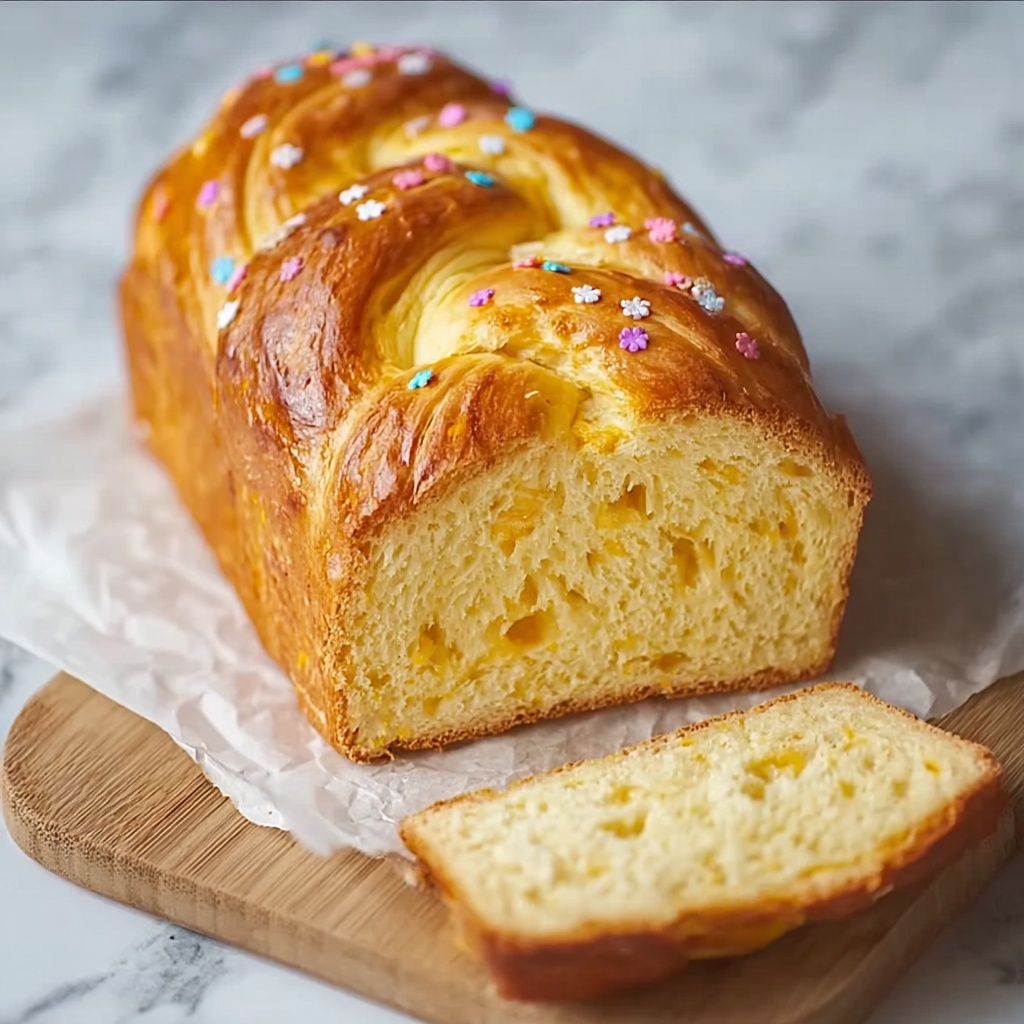
Garnishes
The beauty of serving this bread lies in its simplicity. A light dusting of powdered sugar or a scattering of colorful sprinkles enhances its festive appearance without overpowering the gentle sweet-tangy flavor of the ricotta enriched dough. You can also drizzle a little honey or glaze over the top for extra shine and sweetness if you like.
Side Dishes
This Italian Ricotta Easter Bread Recipe pairs wonderfully with a variety of brunch favorites. Think fresh berries, creamy mascarpone, or a dollop of homemade jam. It’s also fantastic alongside savory dishes such as an herbed frittata or roasted vegetables, giving a lovely contrast between sweet and savory on your plate.
Creative Ways to Present
Bring this dish to the center of your Easter table by weaving colorful dyed eggs into the braid. Serve it on a rustic wooden board lined with fresh spring flowers or greenery for an inviting, natural look. Cutting the bread into thick slices and stacking them with layered spreads of cream cheese and jam makes each bite an experience. You can even toast slices lightly for a warm, crisp texture that highlights the ricotta’s creaminess inside.
Make Ahead and Storage
Storing Leftovers
Keep your leftover Italian Ricotta Easter Bread Recipe fresh by wrapping it tightly in plastic wrap or storing it in an airtight container at room temperature. It should stay soft and delicious for about 2 to 3 days. Avoid refrigeration as it can dry out the bread, but if your kitchen is very warm, a quick refrigeration wrapped well is okay—just toast before serving to revive its softness.
Freezing
You can freeze this bread if you want to enjoy it later. Slice it first for easy portioning, then wrap tightly in plastic wrap and place in a freezer bag. It freezes beautifully for up to three months. When ready to eat, thaw slices at room temperature or pop them straight into the toaster for a warm breakfast treat.
Reheating
Reheat leftover Italian Ricotta Easter Bread Recipe slices in a toaster oven or conventional oven at 350°F (175°C) for about 5 to 7 minutes. This revives the bread’s tender crumb and gives the crust a delightful crisp. Avoid microwaving if you want to keep that fresh-baked texture.
FAQs
Can I substitute ricotta with another cheese?
Ricotta is unique in this recipe because of its moisture and mild flavor that enriches the bread without overpowering it. You could try farmer’s cheese or a mild cottage cheese, but make sure it’s well-drained to avoid sogginess. The texture and softness will be different, so ricotta is really the best choice here.
Do I need to use dyed Easter eggs in the bread?
Using dyed eggs is traditional and adds a beautiful pop of color that’s festive and fun, but it’s completely optional. The bread tastes just as wonderful without them, especially if you plan to serve it sliced. If you do use eggs, make sure they’re hard-boiled and clean.
Can I make this bread dairy-free?
If you need a dairy-free version, try substituting the ricotta with a plant-based alternative like almond or cashew ricotta, and swap whole milk for your favorite plant milk. The bread will have a slightly different flavor and texture but should still turn out soft and delicious. Just be mindful of the moisture content and adjust if needed.
How long does it take for the bread to rise?
The first rise usually takes about 1 to 1.5 hours until doubled in size. The second rise, after shaping, will need about 30 minutes to an hour to get puffy and ready for baking. Timing can vary depending on your kitchen’s temperature—warmer climates speed things up, while cooler ones take longer.
Can I add other flavors or mix-ins?
Absolutely! This Italian Ricotta Easter Bread Recipe welcomes creativity. You could fold in some lemon or orange zest for brightness, dried fruits like raisins or cranberries for texture and sweetness, or even a handful of chopped nuts for a satisfying crunch. Just be cautious with quantities so you don’t overwhelm the dough’s structure.
Final Thoughts
This Italian Ricotta Easter Bread Recipe is such a joyful way to celebrate springtime with your loved ones. The soft, fragrant dough braided to perfection and the warm flavors coming straight from your oven will bring smiles to your table. It’s more than just bread—it’s a heartwarming tradition and a delicious treat that’s well worth the time and care. I promise, once you try it, it’ll become a treasured part of your holiday baking repertoire.
Print
Italian Ricotta Easter Bread Recipe
- Prep Time: 20 minutes
- Cook Time: 35 minutes
- Total Time: 1 hour 55 minutes to 2 hours 25 minutes (including rising times)
- Yield: 1 loaf (serves approximately 8 slices)
- Category: Bread
- Method: Baking
- Cuisine: Italian
Description
This traditional Italian Ricotta Easter Bread is a soft, sweet, and flavorful loaf braided beautifully and often adorned with colorful dyed eggs. Made with ricotta cheese and a tender yeast dough, it has a delicate texture with hints of vanilla and cinnamon, perfect for celebrating Easter or any festive occasion.
Ingredients
Dough Ingredients
- 4 cups all-purpose flour
- 1 package (or 2 ¼ tsp) active dry yeast
- 1 cup whole milk, warmed
- 1 cup ricotta cheese, drained
- 1/2 cup granulated sugar
- 1/4 cup unsalted butter, melted
- 2 large eggs
- 1 tsp vanilla extract
- 1/2 tsp salt
- 1/2 tsp ground cinnamon (optional)
For Egg Wash and Decoration
- 1 egg (for egg wash)
- Sprinkles or colored sugar (optional)
- 2–4 dyed Easter eggs (optional, for decoration)
Instructions
- Prepare the Dough: In a small bowl, combine the warm milk, yeast, and 1 tablespoon of sugar. Let sit for 5-10 minutes until the mixture becomes foamy, indicating the yeast is activated. In a large mixing bowl, mix the flour, remaining sugar, salt, and optional cinnamon. Add the ricotta cheese, melted butter, eggs, vanilla extract, and the yeast mixture. Stir everything until combined, then knead the dough on a floured surface for 8-10 minutes until smooth and elastic.
- First Rise: Form the kneaded dough into a ball and place it in a lightly greased bowl. Cover it with a damp towel and set it in a warm place to rise for about 1 to 1.5 hours, or until it doubles in size.
- Shape the Bread: After the dough has risen, punch it down gently to release the air. Divide the dough into three equal pieces. Roll each piece into a long rope about 18-20 inches long. Braid the three ropes together to form a loaf. If using, carefully nestle the dyed Easter eggs into the braids. Place the braided loaf on a parchment-lined baking sheet.
- Second Rise: Cover the braided dough loosely with a towel and let it rise again for 30 minutes to 1 hour until it becomes puffy.
- Bake the Bread: Preheat the oven to 350°F (175°C). Brush the loaf with a beaten egg to create a shiny, golden crust. Bake for 30-35 minutes, or until the bread is golden brown on top and sounds hollow when tapped on the bottom.
- Cool and Decorate: Remove the bread from the oven and allow it to cool completely on a wire rack. If desired, sprinkle the loaf with colorful sugar or sprinkles before serving. Enjoy the rich, sweet flavors and soft texture of this festive Italian Easter bread.
Notes
- Make sure the milk is warm, not hot, to properly activate the yeast without killing it.
- Draining the ricotta cheese well prevents the dough from becoming too wet or sticky.
- The optional cinnamon adds a warm, subtle spice but can be omitted if preferred.
- Dyed Easter eggs added to the braid are decorative but make sure the eggs are hard-boiled beforehand.
- Egg wash helps achieve a shiny, golden crust for an attractive presentation.
- Store leftover bread in an airtight container; it can be lightly toasted the next day for freshness.