“`html
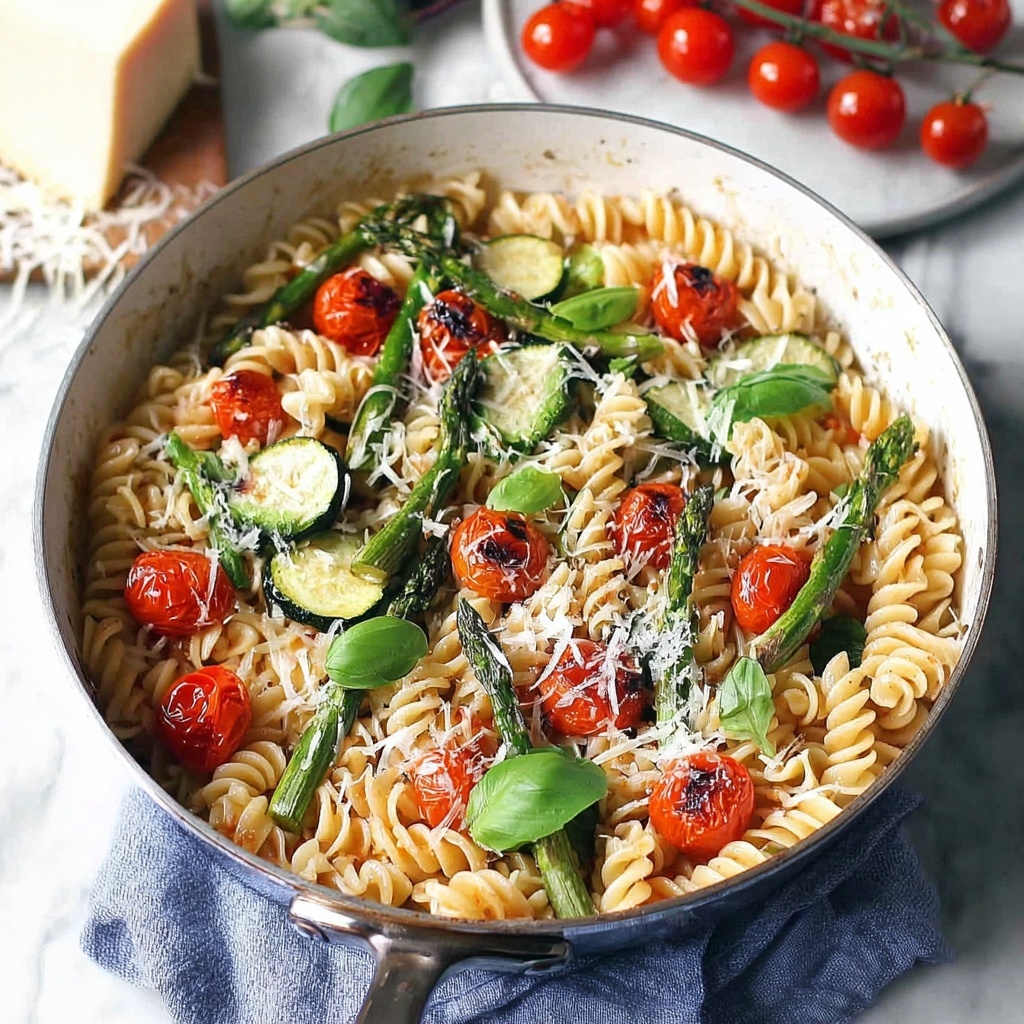
If you are craving a vibrant, fresh, and fuss-free meal that bursts with color and flavor, then this One-Pot Pasta Primavera Recipe is your new best friend. It combines crisp-tender vegetables, perfectly cooked pasta, and a bright lemony garlic sauce all in one pot, making weeknights easier and tastier. Packed with wholesome ingredients and bright notes, this dish is not only quick and easy but a real celebration of spring and summer produce that anyone can whip up in just 30 minutes.
Ingredients You’ll Need
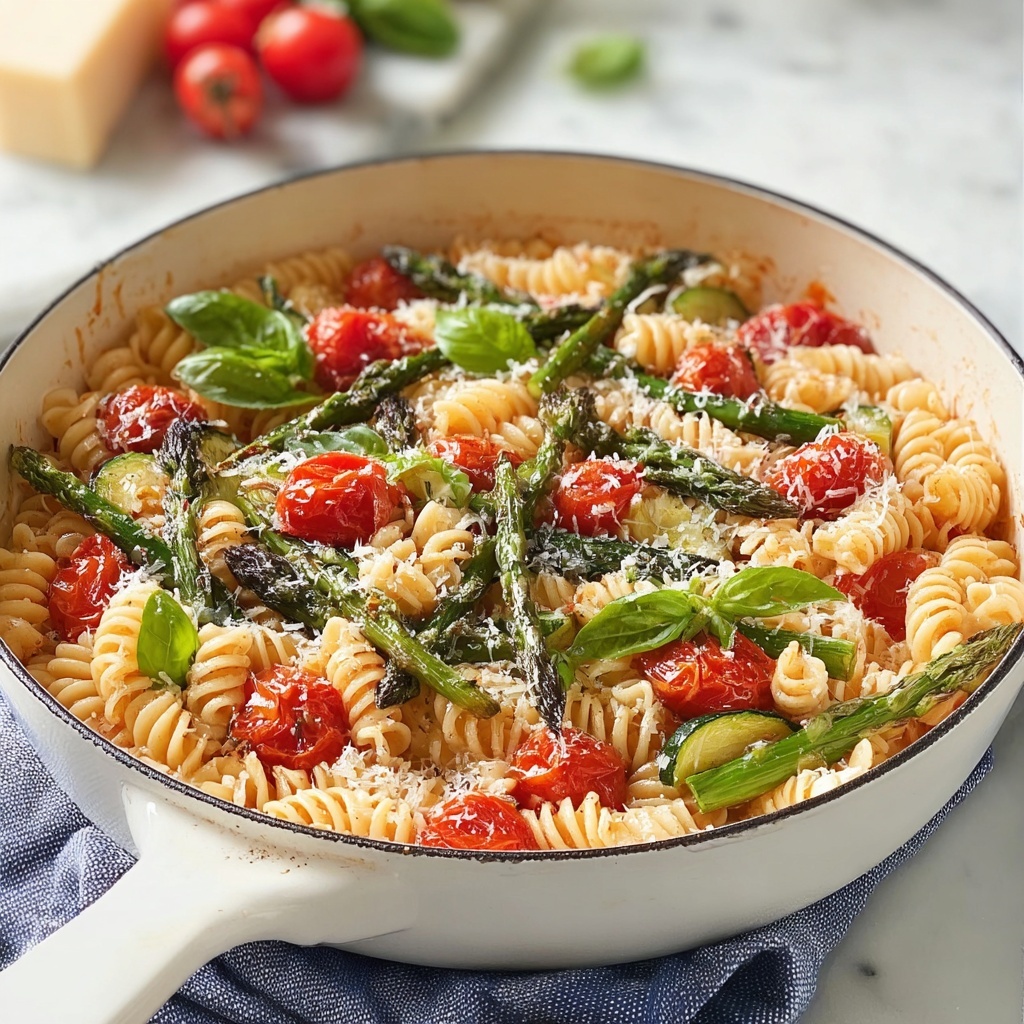
This One-Pot Pasta Primavera Recipe relies on simple, fresh ingredients that each play a vital role in building layers of flavor and texture. Using a mix of crisp vegetables alongside garlic and lemon brightens the dish, while the pasta ties everything together with comforting heartiness.
- Broccoli florets: Provide a satisfying crunch and vibrant green color.
- Julienned carrots: Add sweetness and a pop of orange color for visual appeal.
- Snap peas or frozen peas: Bring tender sweetness and a snap of texture to every bite.
- Zucchini, sliced into half-moons: Offers subtle earthiness and moisture to the dish.
- Red bell pepper, thinly sliced: Contributes a sweet, juicy bite and striking red hues.
- Spaghetti, linguine, or penne: The pasta foundation that holds the flavors, with gluten-free options if needed.
- Olive oil: For sautéing and adding smooth richness.
- Garlic cloves, minced: Impart a fragrant, savory depth that complements the veggies.
- Red chili flakes (optional): For those who like a little kick and warmth.
- Lemon juice and zest: Bring lightness and a refreshing tang that wakes up the palate.
- Salt and pepper: Essential seasonings to balance and enhance all the flavors.
- Fresh parsley or basil, chopped: Bright herbal notes for garnish that revive each forkful.
- Vegan Parmesan or regular Parmesan: Adds a deliciously savory, nutty finish.
- A drizzle of olive oil (optional): For an extra layer of silkiness at serving.
How to Make One-Pot Pasta Primavera Recipe
Step 1: Prepare Your Vegetables
Start by chopping and slicing all your vegetables into uniform pieces so they cook evenly. This not only ensures perfect texture but also makes the dish visually pleasing. Getting your mise en place set at the start always saves time and makes the cooking process smoother.
Step 2: Blanch the Vegetables
Bring a large pot of salted water to a boil. Blanch the broccoli, carrots, and snap peas (or frozen peas) for 2 to 3 minutes until they become slightly softened but keep their vibrant color and fresh snap. This quick blanch locks in their nutrients and flavor while preparing them to meld beautifully with the pasta.
Step 3: Cook the Pasta
In the same boiling water, cook your chosen pasta according to the package instructions until al dente. Make sure to reserve about 1/4 cup of the pasta water before draining – this starchy liquid is like a magic ingredient for adjusting your sauce later and helps everything cling together beautifully.
Step 4: Sauté Garlic and Add Heat
While the pasta cooks, heat olive oil in a large skillet over medium heat. Add finely minced garlic and sauté for just 30 seconds, stirring constantly to prevent burning. If you like just a bit of heat, sprinkle in red chili flakes at this point to infuse the oil with a gentle, warming spice.
Step 5: Toss in the Vegetables
Add the blanched vegetables to the skillet with the garlic oil, tossing to coat each piece evenly. This step is where the flavors start to come alive as the vegetables soak up the fragrant garlic and olive oil, creating a perfect medley of taste and textures.
Step 6: Brighten with Lemon
Stir in the fresh lemon juice and zest to the skillet, instantly adding brightness and zesty freshness that balances the richness of the garlic oil. Season generously with salt and pepper to taste, which will help elevate all the other flavors.
Step 7: Combine Pasta and Sauce
Add the cooked pasta to the skillet with the vegetables and sauce. Toss everything thoroughly until the pasta is completely coated in the garlic-lemon oil and mingled with the vibrant veggies. If the mixture seems dry or clumpy, add reserved pasta water a tablespoon at a time to loosen and create a silky sauce that ties the dish together.
How to Serve One-Pot Pasta Primavera Recipe
Garnishes
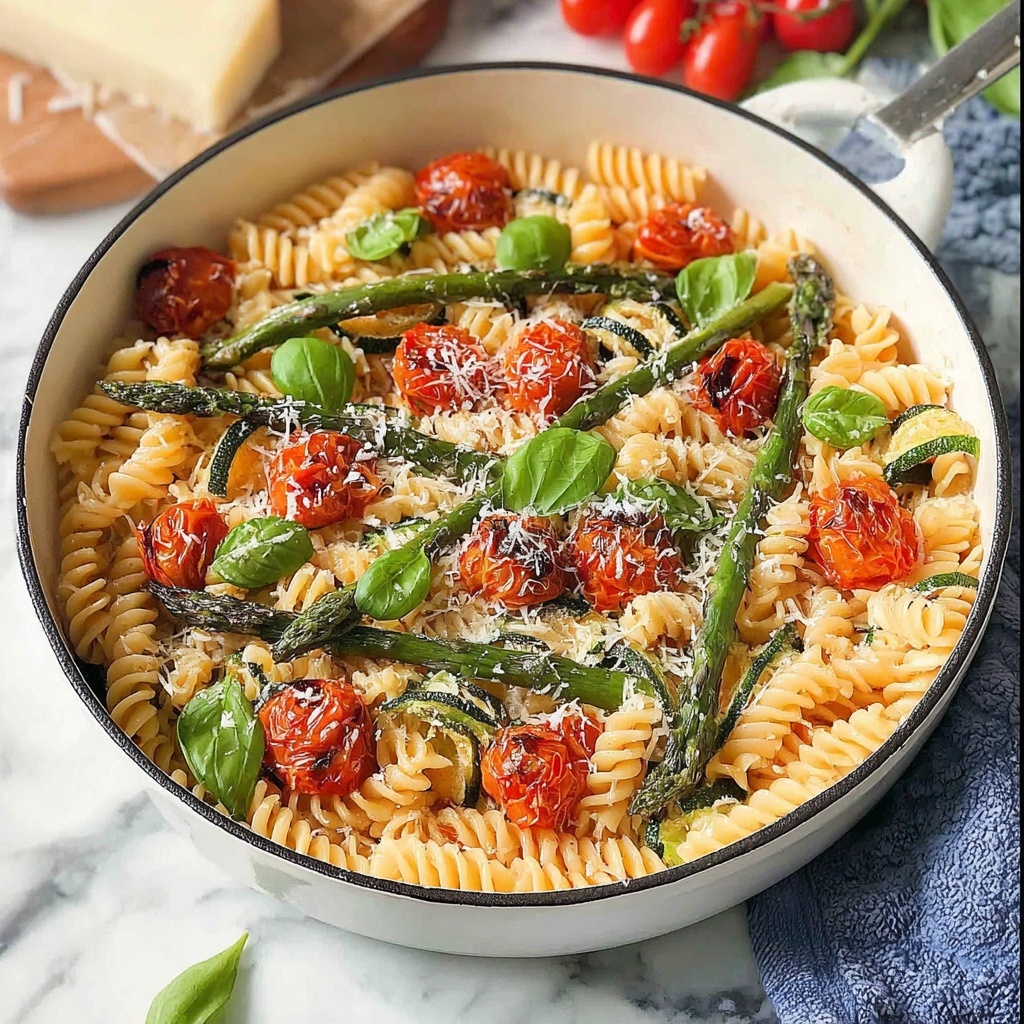
The finishing touches make all the difference. Sprinkle freshly chopped parsley or basil over each plate to add fresh herbal notes and a splash of green. A generous grating of Parmesan or its vegan alternative adds a savory, umami-rich contrast. For an extra luscious finish, a light drizzle of olive oil right before serving brings a glossy sheen and smooth mouthfeel.
Side Dishes
This dish is perfectly satisfying on its own, but if you want to round out the meal, consider simple sides like a crisp green salad with a light vinaigrette or warm, crusty bread to sop up any leftover sauce. Roasted garlic or lemon-herb focaccia would pair beautifully and add a touch of indulgence without competing with the fresh flavors of the pasta primavera.
Creative Ways to Present
Serve this pasta primavera in rustic shallow bowls to showcase the colorful vegetables and glossy sauce front and center. For a modern touch, create individual portions in wide rimmed plates and garnish with edible flowers for a fresh garden-inspired look. If entertaining, offer a small topping bar with extra Parmesan, chili flakes, and fresh herbs so guests can customize each serving to their liking.
Make Ahead and Storage
Storing Leftovers
The One-Pot Pasta Primavera Recipe keeps well when refrigerated in an airtight container for up to 3 days. The flavors will continue to meld, though the vegetables might soften a bit, so try to store the pasta and sauce separately if possible for maximum freshness.
Freezing
Freezing this pasta dish is not recommended because the fresh vegetables tend to lose their crispness and the sauce texture can become watery once thawed. For best results, enjoy fresh or refrigerate leftovers.
Reheating
When reheating, warm the pasta gently in a skillet over low heat, adding a splash of water or olive oil to restore sauciness and prevent sticking. Avoid microwaving if possible, as it can make the pasta gummy and the vegetables limp.
FAQs
Can I use other vegetables in this recipe?
Absolutely! One of the joys of the One-Pot Pasta Primavera Recipe is its versatility. Feel free to swap in seasonal vegetables like asparagus, cherry tomatoes, or mushrooms based on what you have on hand or what’s freshest at the market.
Is this recipe suitable for vegans?
Yes! Simply use vegan Parmesan or omit cheese altogether, and ensure your pasta is egg-free. The olive oil, garlic, and fresh veggies provide plenty of flavor without any animal products.
How do I make this dish gluten-free?
Use gluten-free pasta varieties such as those made from rice, corn, or legumes. The cooking instructions remain the same, but just be sure to check the pasta package for cooking times to avoid overcooking.
Can I make this recipe ahead of time?
You can prep your vegetables in advance and chop them ahead to save time. The pasta is best cooked fresh, but if you want, you can prepare the sauce and veggies the day before and combine everything just before serving.
What wine pairs well with pasta primavera?
A crisp, light white wine like Sauvignon Blanc or Pinot Grigio complements the fresh, lemony flavors of this spring vegetable pasta beautifully. Their acidity balances the olive oil and brightens the dish’s natural sweetness.
Final Thoughts
This One-Pot Pasta Primavera Recipe is truly a joyful celebration of fresh vegetables, simple ingredients, and bold, bright flavors all in one easy pot. It’s perfect for busy days when you want a homemade meal without the fuss, and it never fails to please. I encourage you to give it a try and discover how such a straightforward dish can become a new household favorite packed with color, nutrition, and pure deliciousness.
“`
Print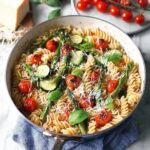
One-Pot Pasta Primavera Recipe
- Prep Time: 10 minutes
- Cook Time: 20 minutes
- Total Time: 30 minutes
- Yield: 4 servings
- Category: Main Course
- Method: Stovetop
- Cuisine: Italian
- Diet: Vegetarian
Description
This One-Pot Pasta Primavera is a vibrant, easy-to-make meal that features tender vegetables, perfectly cooked pasta, and a bright lemon-garlic sauce. Ideal for a quick weeknight dinner, this recipe combines fresh broccoli, carrots, snap peas, zucchini, and red bell pepper with a light olive oil and garlic dressing, garnished with fresh herbs and optional Parmesan cheese.
Ingredients
Vegetables
- 1 cup broccoli florets
- 1 cup julienned carrots
- 1 cup snap peas or frozen peas
- 1 zucchini, sliced into half-moons
- 1 red bell pepper, thinly sliced
Pasta & Seasoning
- 12 ounces spaghetti, linguine, or penne (use gluten-free pasta if needed)
- 3 tablespoons olive oil
- 4 garlic cloves, minced
- 1/2 teaspoon red chili flakes (optional)
- Juice and zest of 1 lemon
- Salt and pepper to taste
Garnish
- Fresh parsley or basil, chopped (for garnish)
- Vegan Parmesan or regular Parmesan (for garnish)
- A drizzle of olive oil (optional)
Instructions
- Prepare Vegetables: Chop and slice the broccoli, carrots, snap peas (or frozen peas), zucchini, and red bell pepper into uniform pieces to ensure even cooking.
- Blanch Vegetables: Bring a large pot of salted water to a boil. Add the broccoli, carrots, and snap peas and blanch for 2–3 minutes until they are slightly softened but still vibrant. Drain and set aside.
- Cook Pasta: In the same pot of boiling water, cook the pasta according to the package instructions until al dente. Reserve 1/4 cup of pasta water before draining the pasta.
- Prevent Sticking: Drizzle the cooked pasta with a little olive oil and toss to prevent sticking while preparing the sauce.
- Sauté Garlic: Heat the olive oil in a large skillet over medium heat. Add the minced garlic and sauté for 30 seconds, stirring constantly to avoid burning. If you like some heat, add the red chili flakes now.
- Add Vegetables: Add the blanched vegetables and sliced zucchini and red bell pepper to the skillet, tossing them in the garlic-infused oil to combine flavors.
- Add Lemon and Season: Stir in the lemon juice and zest to the skillet. Season with salt and pepper to taste, balancing the acidity and seasoning.
- Combine Pasta and Sauce: Add the drained pasta to the skillet with the vegetables and sauce. Toss all ingredients together until the pasta is well-coated in the flavorful, garlicky oil.
- Adjust Sauce Consistency: If the sauce seems dry, slowly add the reserved pasta water a tablespoon at a time until the desired consistency is reached.
- Serve and Garnish: Garnish with chopped fresh parsley or basil, a sprinkle of vegan or regular Parmesan, and an optional drizzle of olive oil before serving.
Notes
- Blanching the vegetables helps maintain their color and crispness.
- You can substitute snap peas with frozen peas if fresh is not available.
- Use gluten-free pasta to make this recipe gluten-free.
- Red chili flakes are optional, add them according to your heat preference.
- For a vegan version, use vegan Parmesan or nutritional yeast as a garnish.
- Reserve some pasta water to help create a silky sauce that coats the pasta.